I-WASH 2026 strengthens regional collaboration to advance humanitarian WASH capacity across South and Southeast Asia

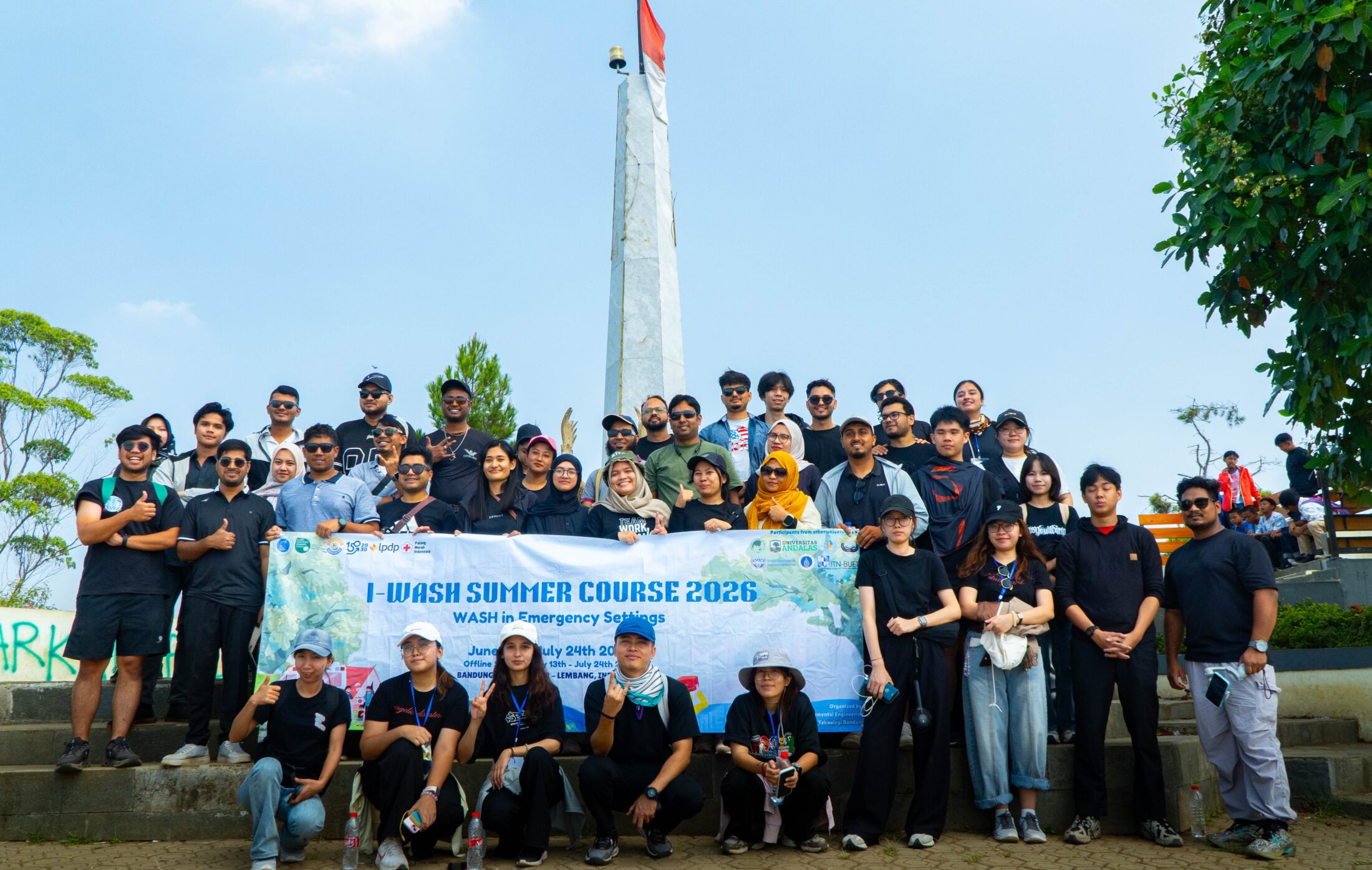
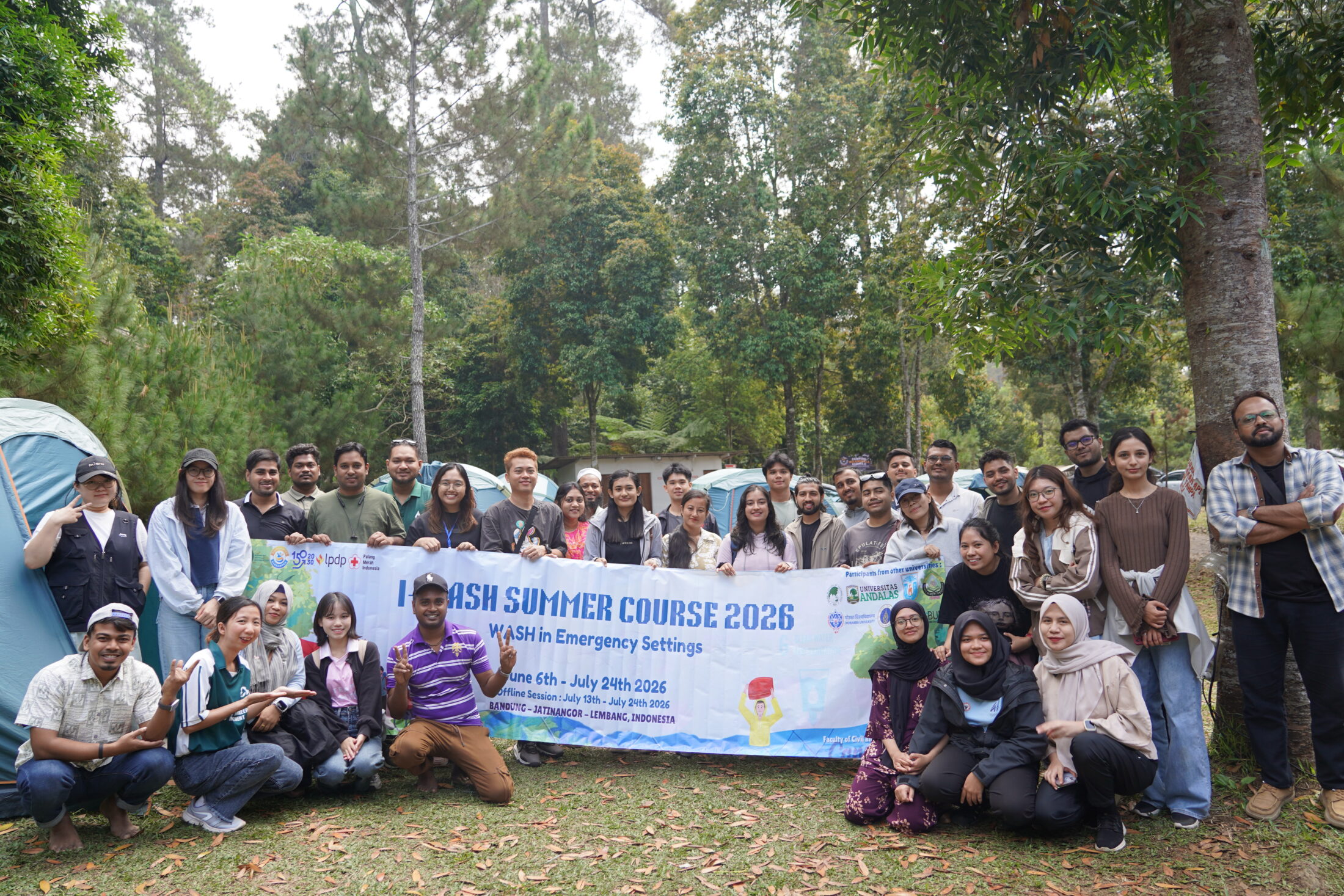
Recognizing the growing importance of Water, Sanitation and Hygiene (WASH) in humanitarian response and climate resilience, the Global Sanitation Graduate School Regional Hub South and Southeast Asia (GSGS RH SSEA), in collaboration with the Faculty of Civil and Environmental Engineering, Institut Teknologi Bandung (ITB), Indonesia, successfully organized the Integrated WASH (I-WASH) Summer Course 2026 under the theme “WASH in Emergency Settings.” The programme combined five weeks of interactive online learning (6 June–11 July 2026) with two weeks of intensive field-based training (13–24 July 2026) at ITB, creating a comprehensive platform for technical capacity building, knowledge exchange, and regional collaboration among future WASH professionals.
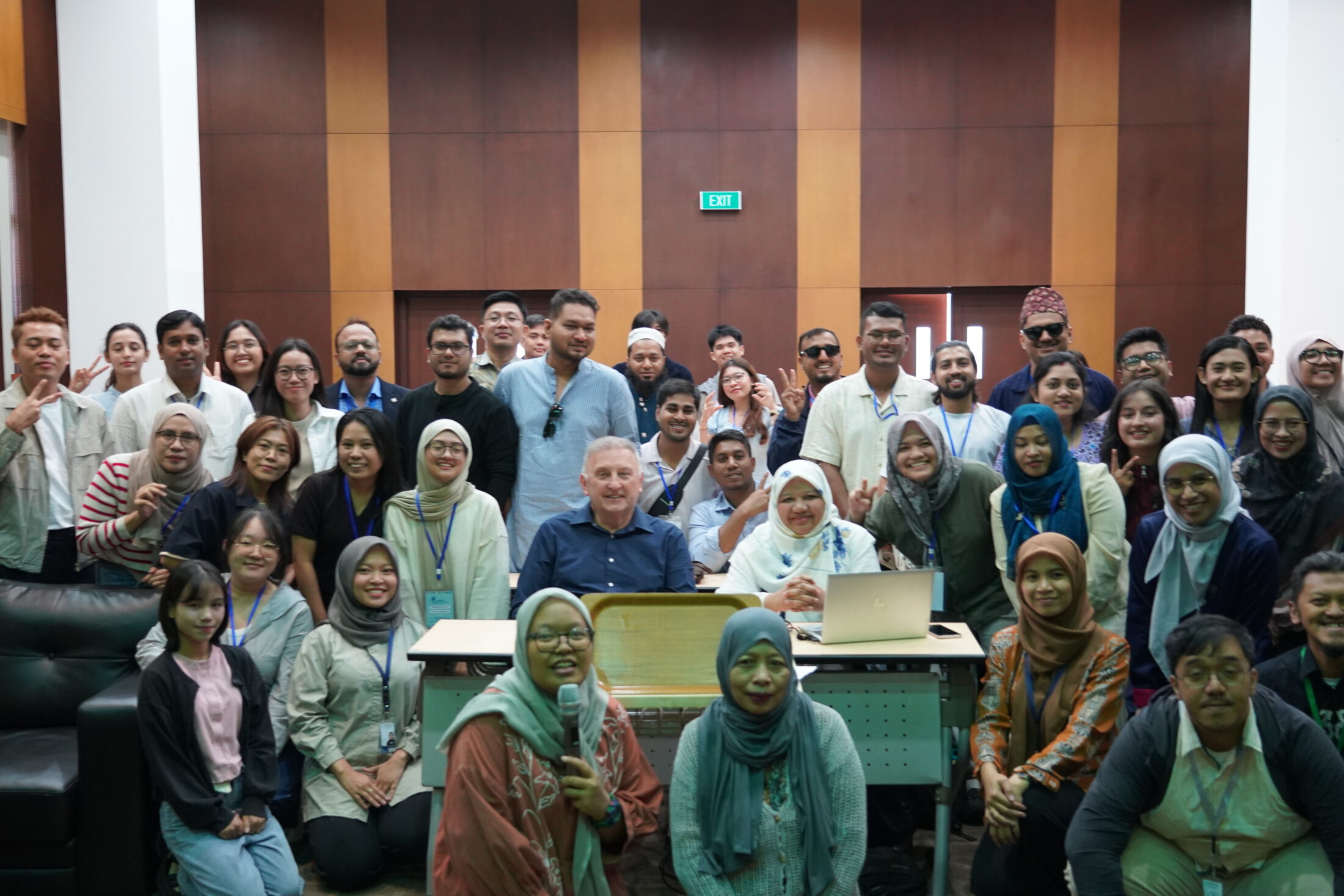
The 2026 programme brought together 41 participants, including 19 women, representing leading institutions across South and Southeast Asia, including ITN-BUET, Shahjalal University of Science and Technology (SUST), Khulna University of Engineering & Technology (KUET), Asian Institute of Technology (AIT), Mahidol University, Pokhara University, and Institut Teknologi Bandung (ITB). Among them, 11 participants represented Bangladesh, demonstrating the country’s growing commitment to humanitarian WASH education and regional engagement.
Designed to bridge academic knowledge with practical implementation, the programme addressed contemporary humanitarian WASH challenges through expert-led lectures, interactive discussions, technical exercises, field visits, and simulation-based learning. The online component covered topics including emergency sanitation, climate-resilient WASH, humanitarian principles, gender-responsive WASH, disaster risk reduction, SPHERE Humanitarian Standards, and emergency planning. These sessions provided participants with multidisciplinary perspectives from internationally recognized academics, development practitioners, and humanitarian experts.
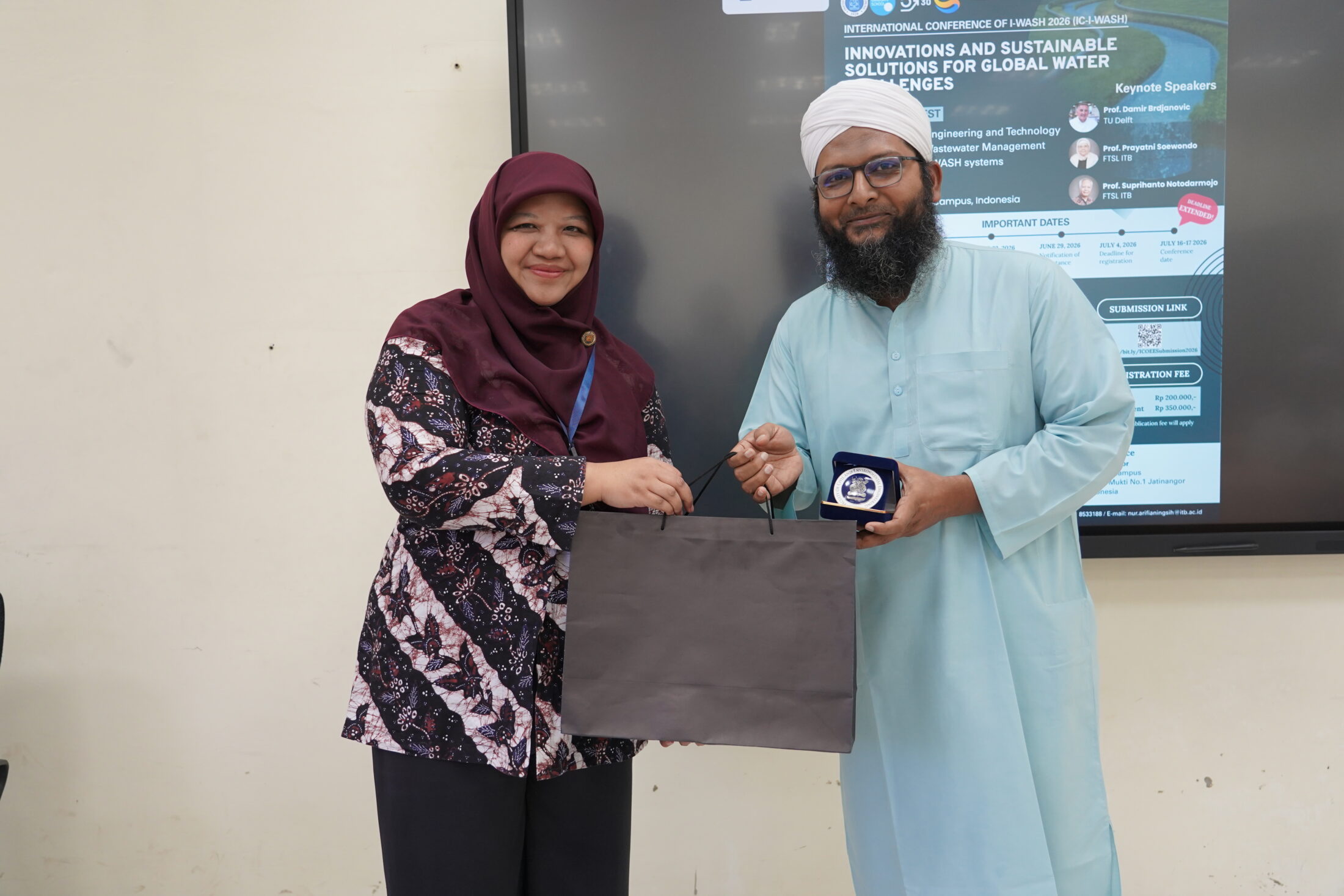
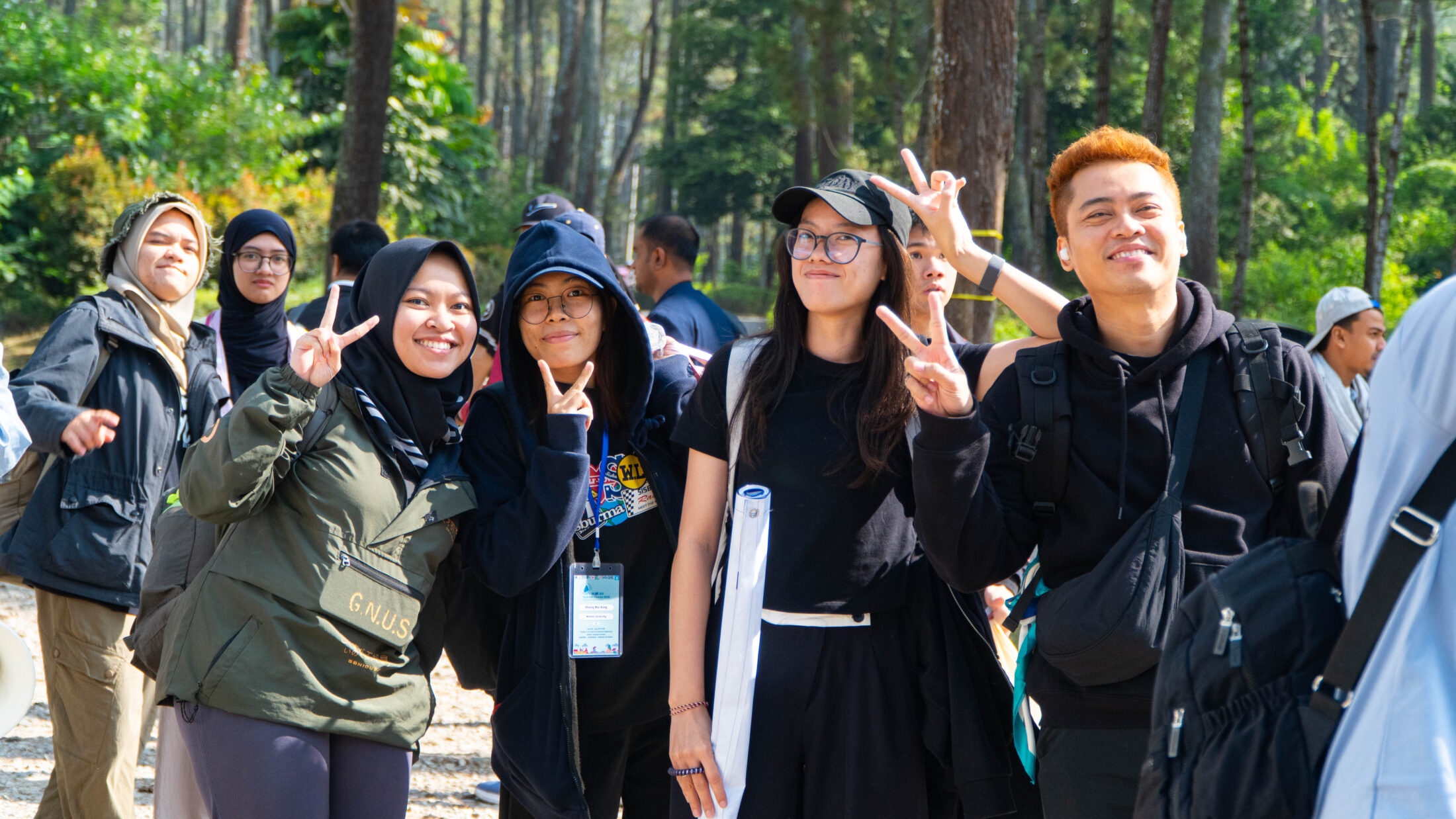
The residential programme in Jatinangor further strengthened participants’ practical skills through technical workshops, an international research-sharing conference, field excursions, and hands-on humanitarian simulations. A major highlight was the keynote lecture by Prof. Dr. Damir Brdjanovic of IHE Delft Institute for Water Education, Netherlands, who presented on technological developments in WASH and emphasized the importance of innovative, resilient, and context-specific sanitation solutions for disaster-affected communities.
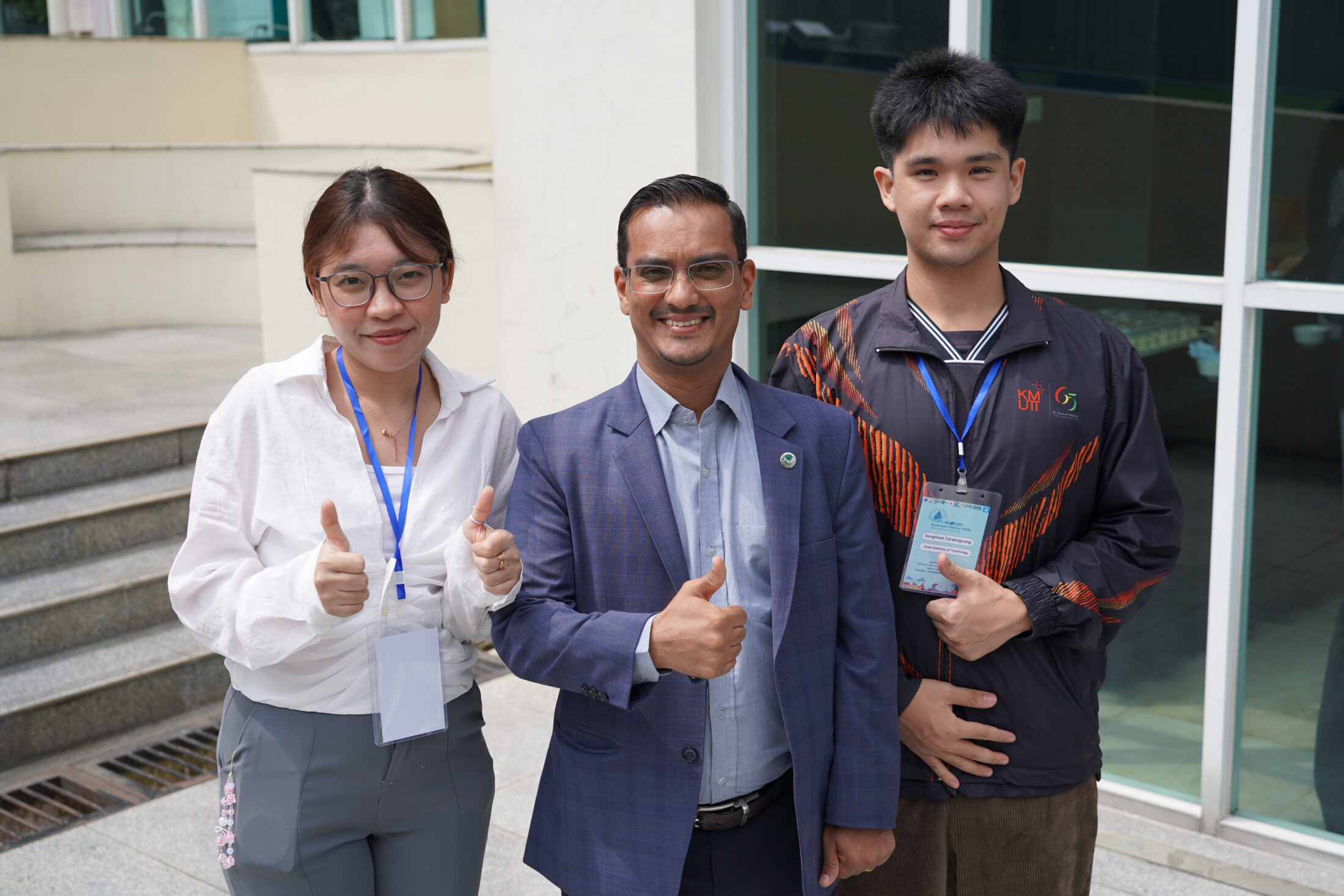
Participants also benefited from lectures by Prof. Dr. Imran Kabir (SUST, Bangladesh), Dr. Anish Ghimire (AIT, Thailand), and Mr. Hilman Agung, who shared expertise on rapid emergency assessment, disaster preparedness, evidence-based humanitarian decision-making, and the integration of scientific research into emergency response planning. These sessions reinforced regional collaboration while expanding participants’ understanding of humanitarian WASH practices.
A key academic component of the programme was the International Research Sharing Conference, where participants presented their ongoing research and exchanged ideas with faculty members and researchers from participating institutions. The conference promoted interdisciplinary collaboration and encouraged scientific dialogue on emerging WASH challenges across Asia.
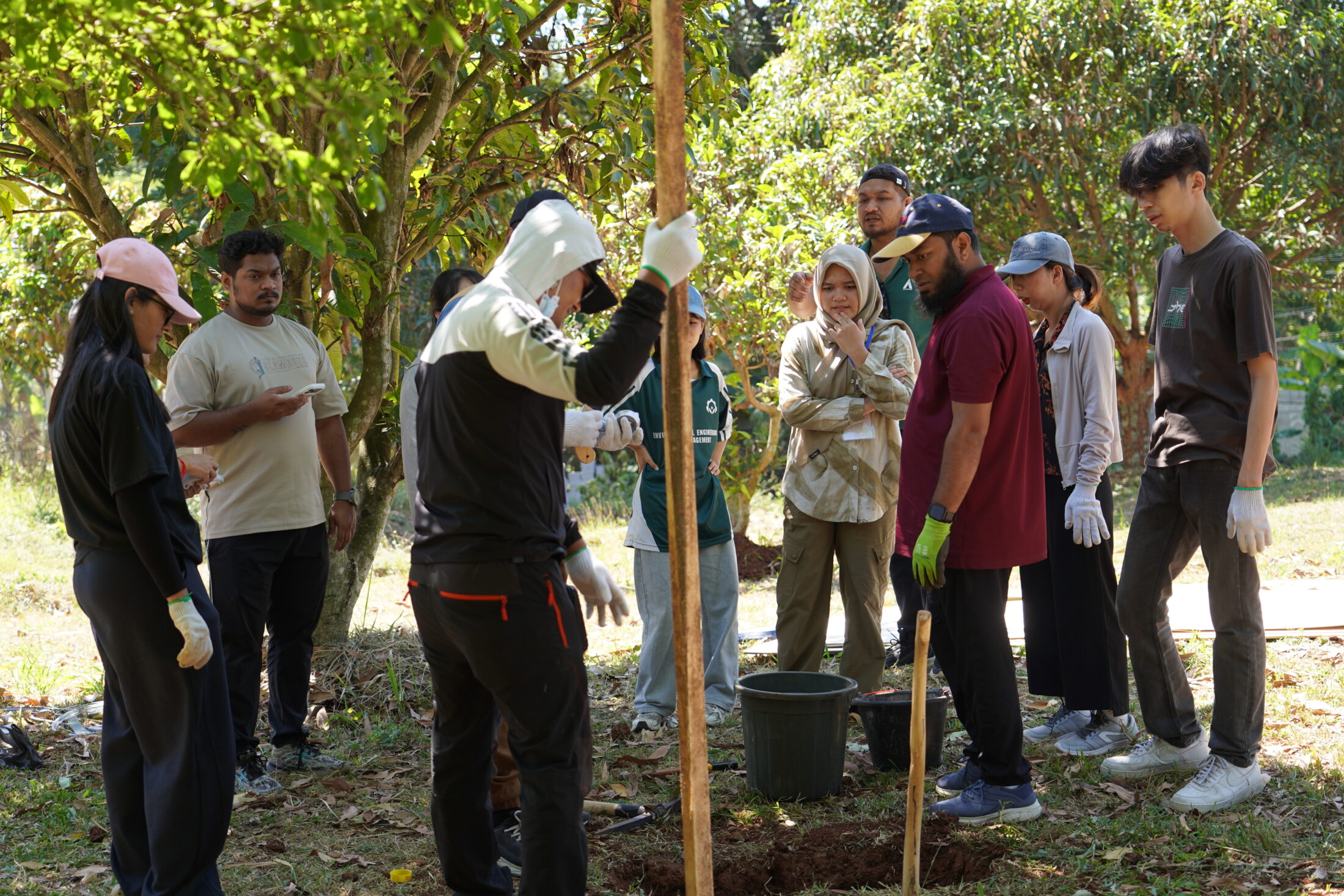
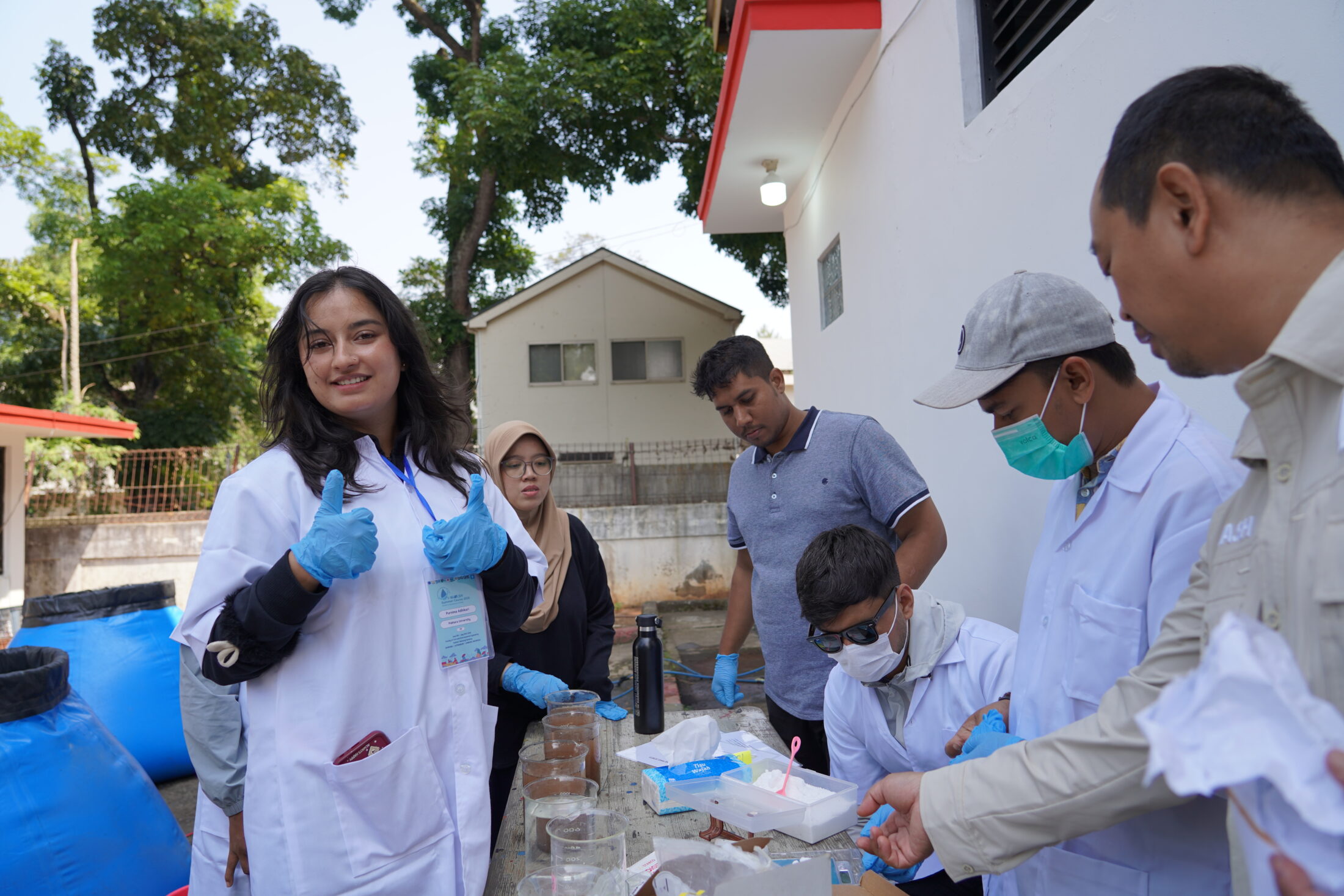
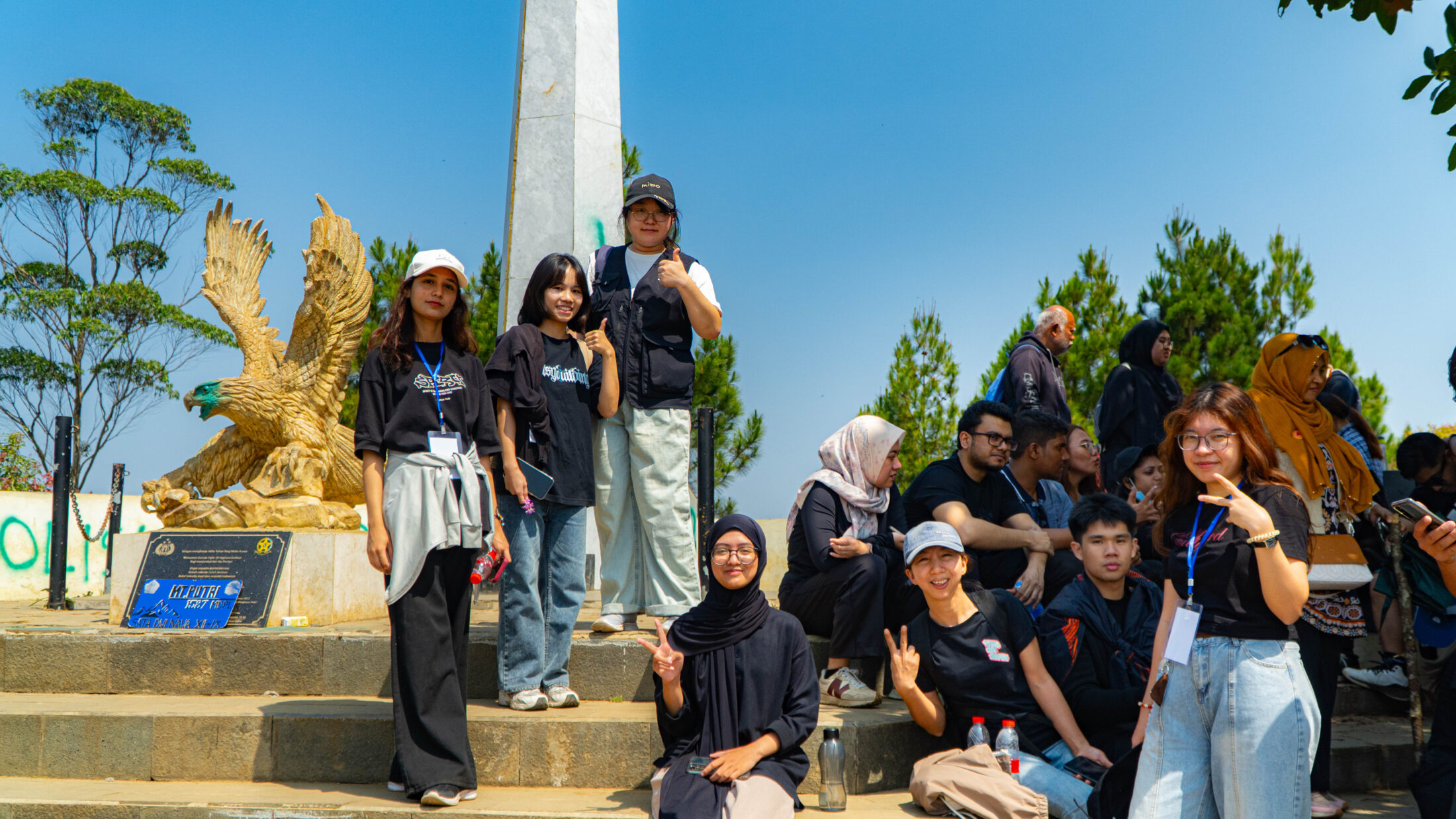
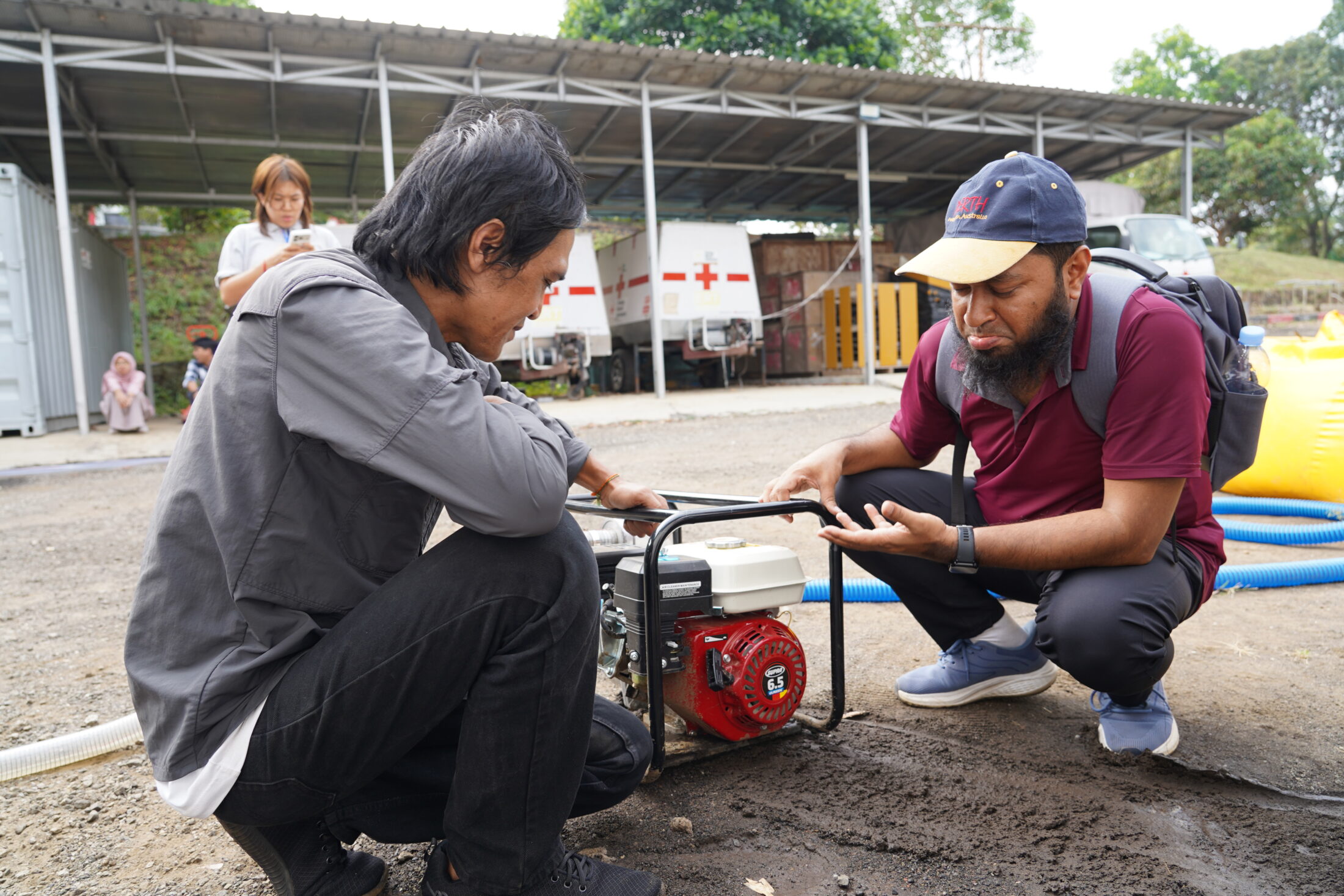
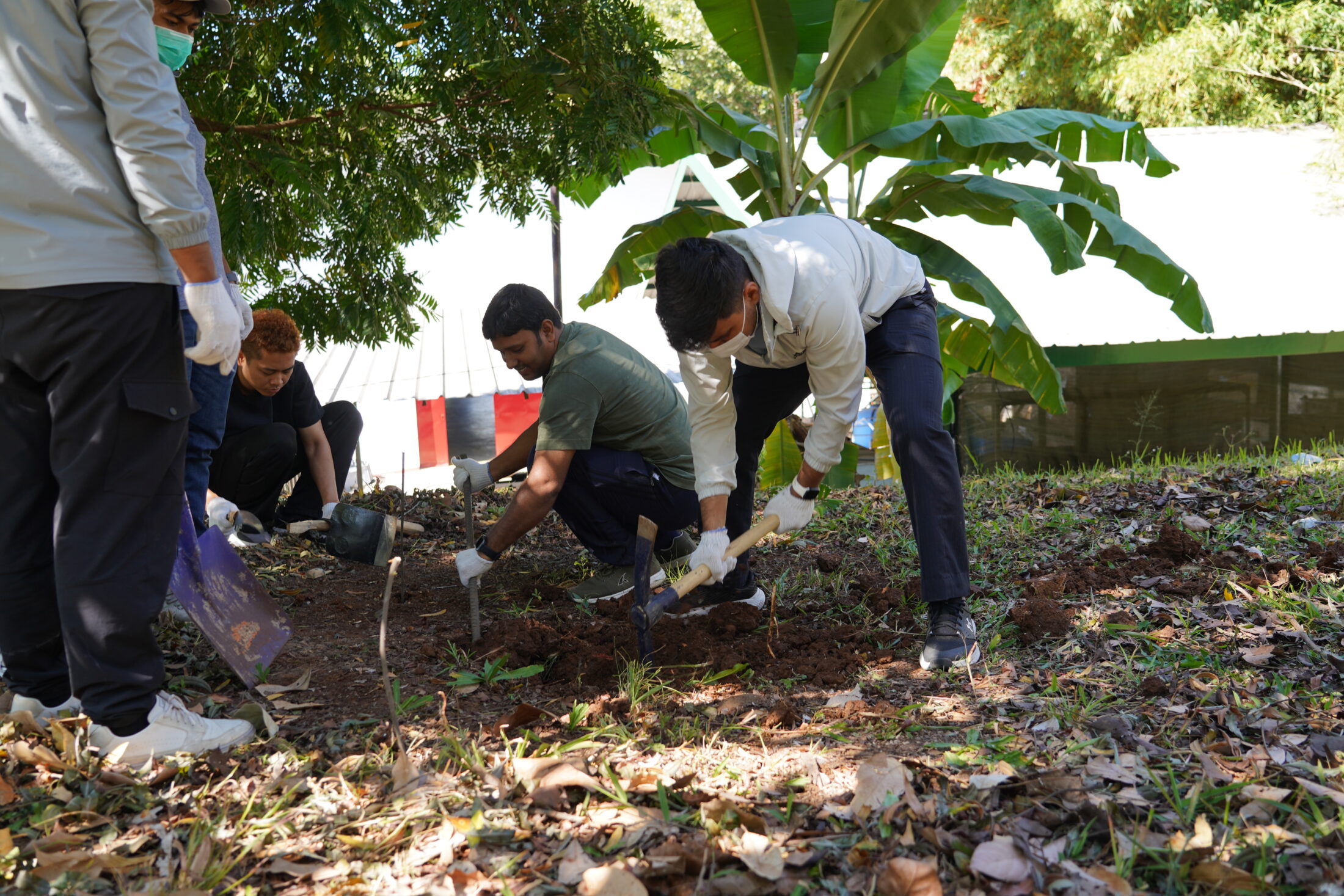
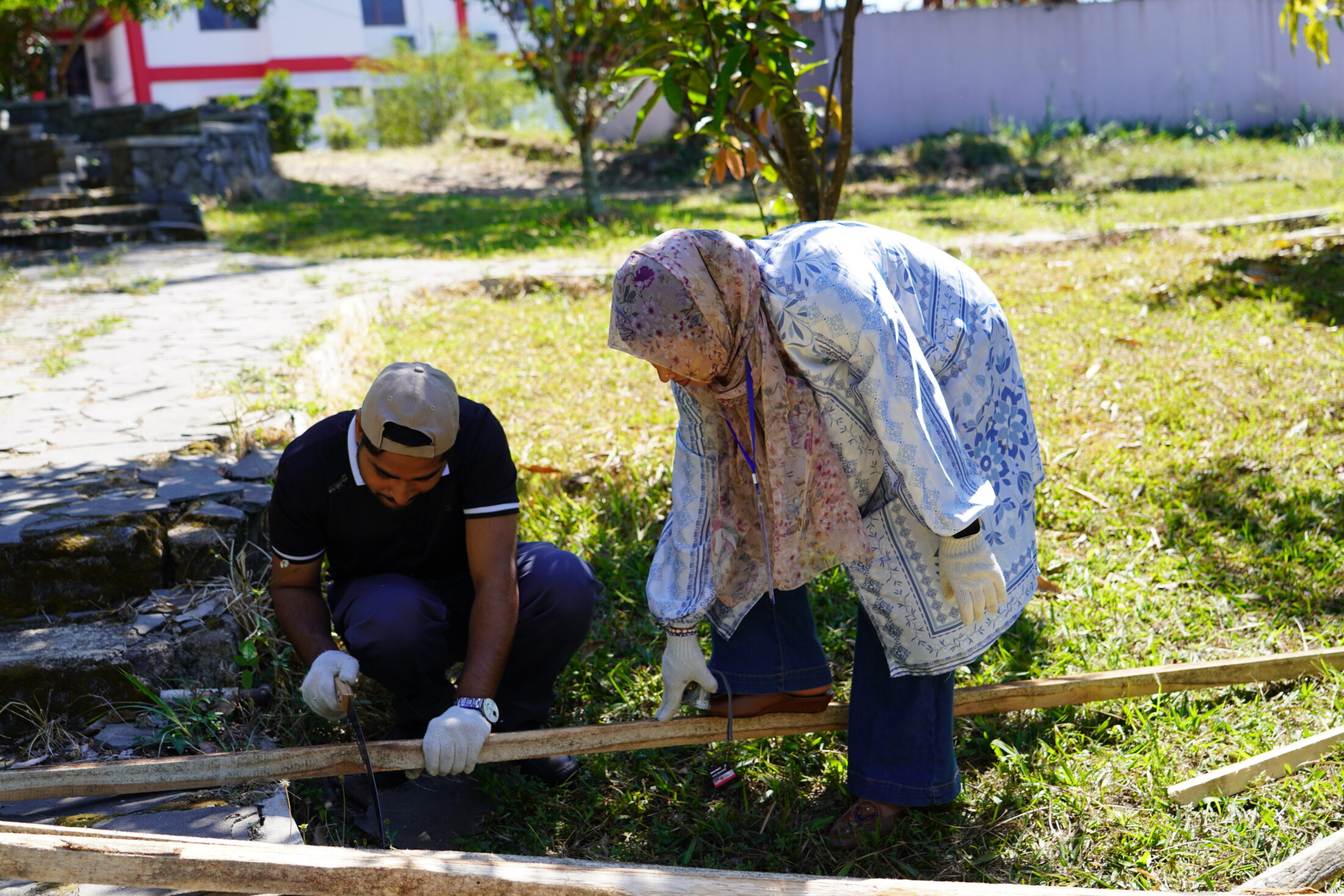
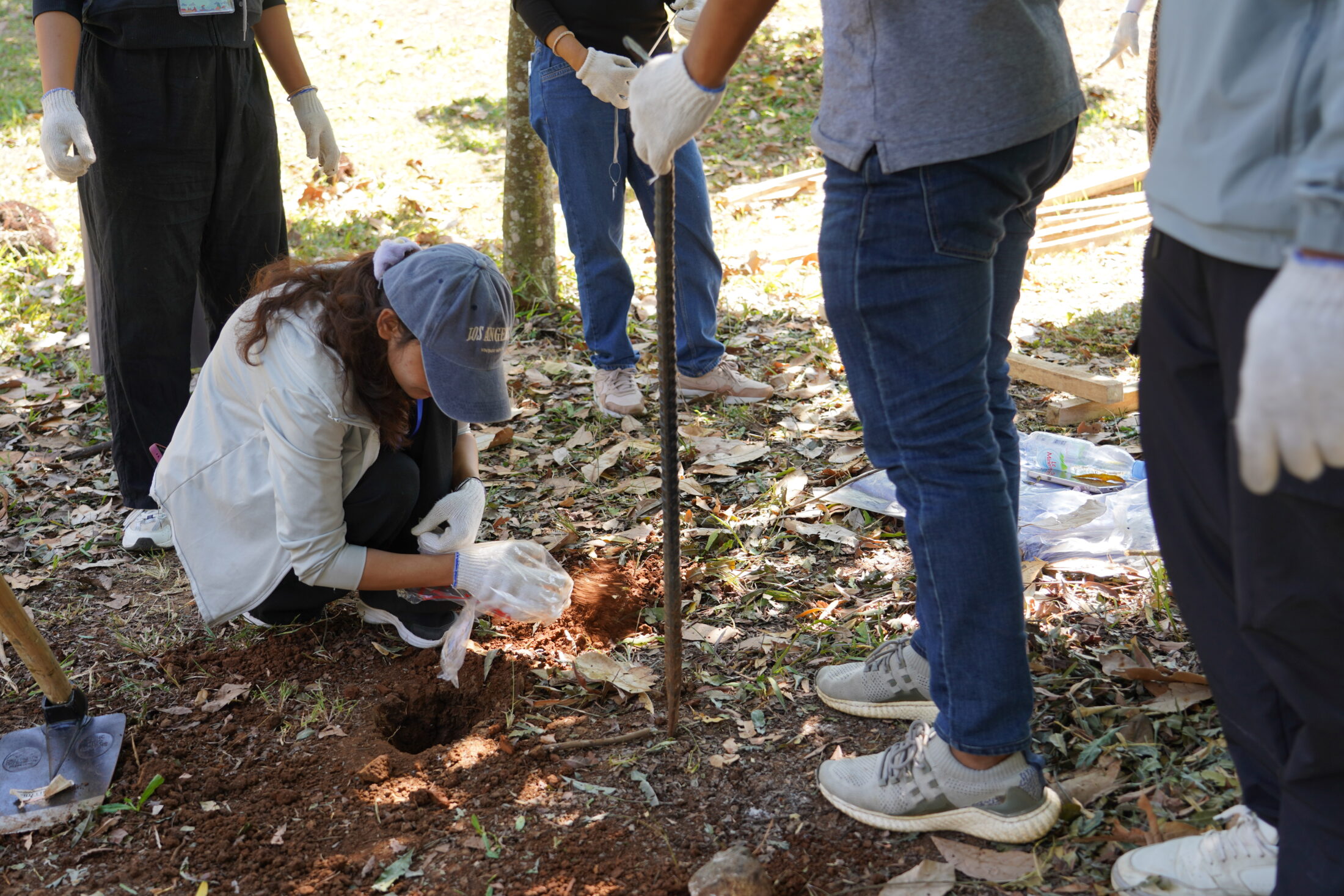
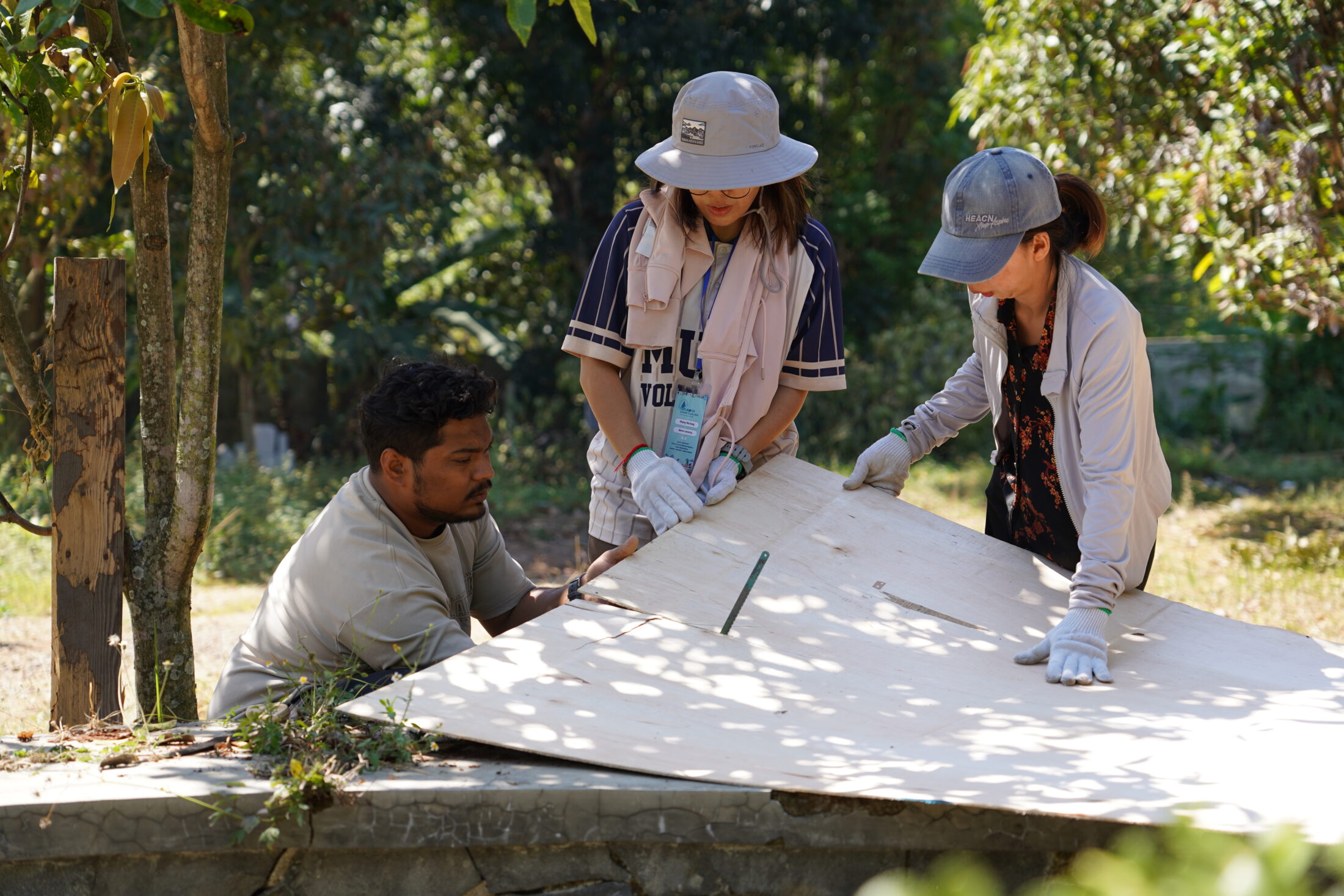
Beyond the classroom, participants visited the Lembang Fault, one of Indonesia’s most significant seismic zones, to examine geological hazards, disaster preparedness strategies, and emergency planning measures. The programme concluded with intensive practical training delivered by the Indonesian Red Cross Society (PMI), where participants operated emergency water treatment systems, constructed temporary emergency latrines, installed portable handwashing facilities, and participated in realistic disaster-response simulations. These field activities strengthened participants’ technical competence, teamwork, leadership, and decision-making skills under emergency conditions.
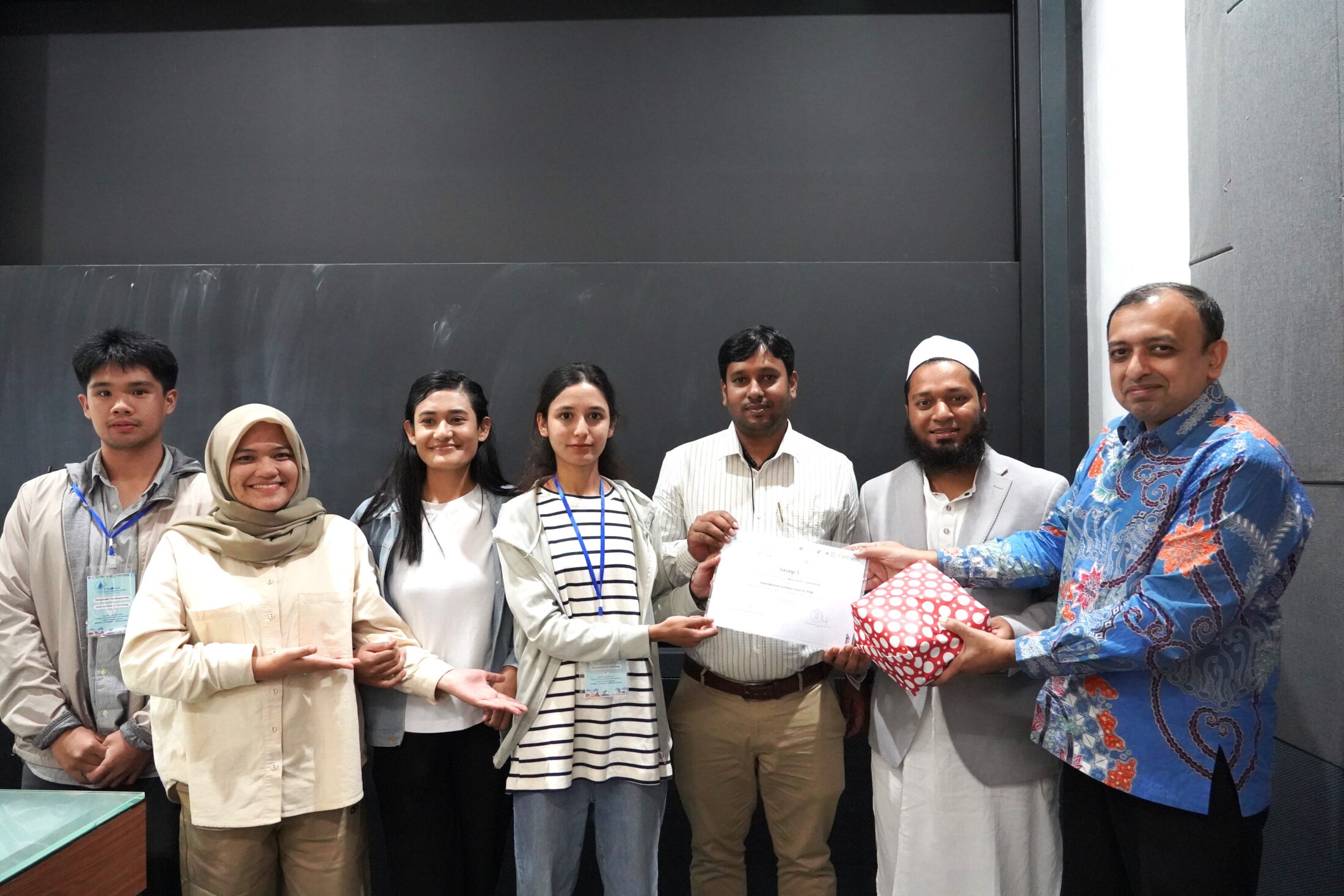
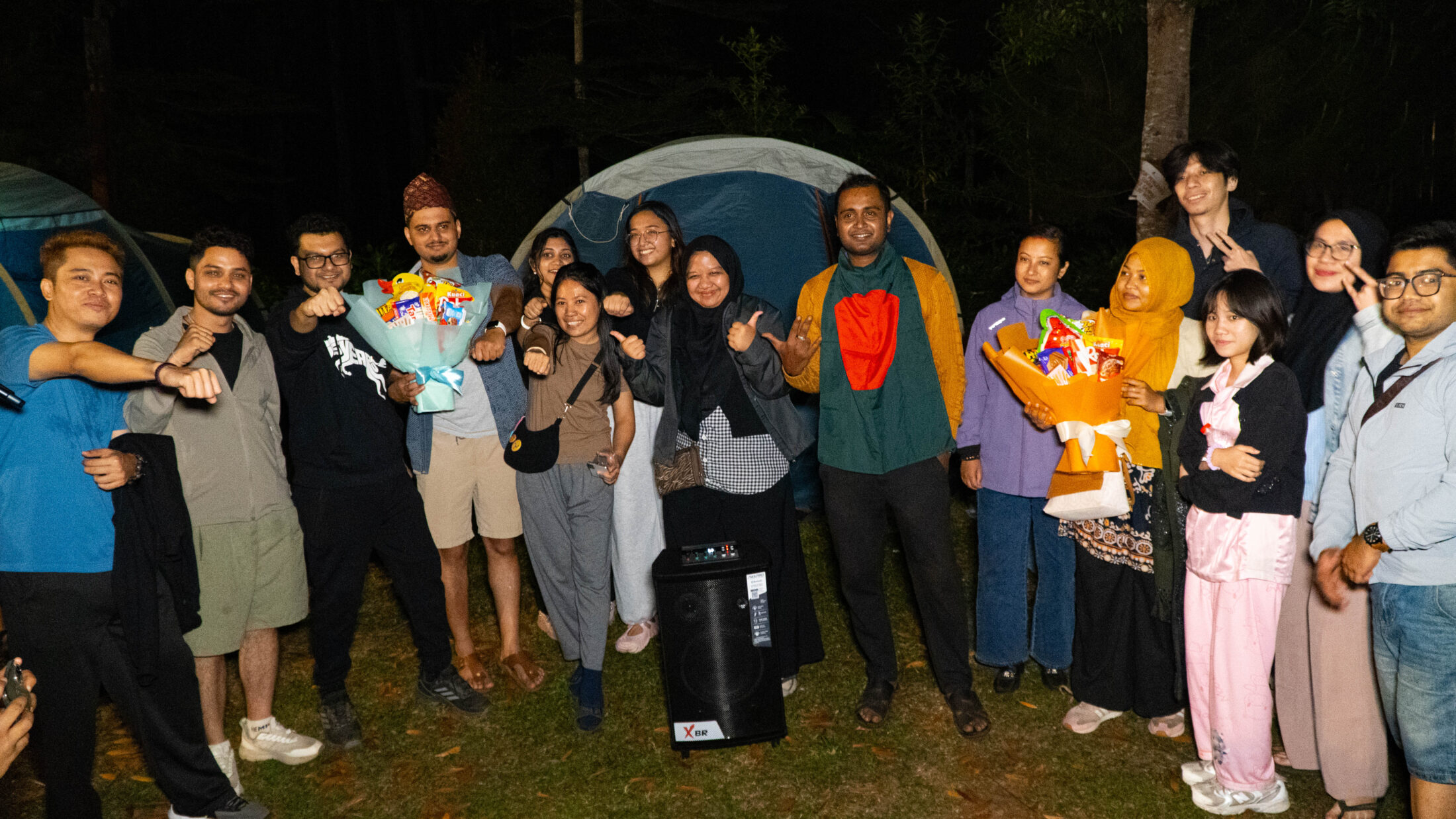
Bangladesh received notable recognition throughout the programme. The Bangladeshi delegation won the Cultural Performance Competition, showcasing the country’s rich cultural heritage and strengthening intercultural friendship among participating nations. In addition, two Bangladeshi participants and their team received the Best Group Presentation Award, recognizing the quality of their research, presentation skills, and academic excellence.
The programme concluded with remarks from Prof. Dr. Tanvir Ahmed, Regional Director of GSGS RH SSEA and Professor of Civil Engineering at BUET, Bangladesh. Reflecting on the programme’s achievements, he emphasized that the increasing frequency and intensity of climate-induced disasters require a new generation of WASH professionals equipped with strong technical expertise, leadership, innovation, adaptability, and practical field experience.
Prof. Ahmed highlighted that humanitarian WASH extends beyond infrastructure development to safeguarding public health, human dignity, gender equality, social inclusion, and environmental sustainability. He encouraged participants to strengthen regional partnerships, embrace interdisciplinary collaboration, and translate scientific knowledge into practical solutions that improve the lives of vulnerable communities, while continuing to contribute to research, innovation, and humanitarian service.