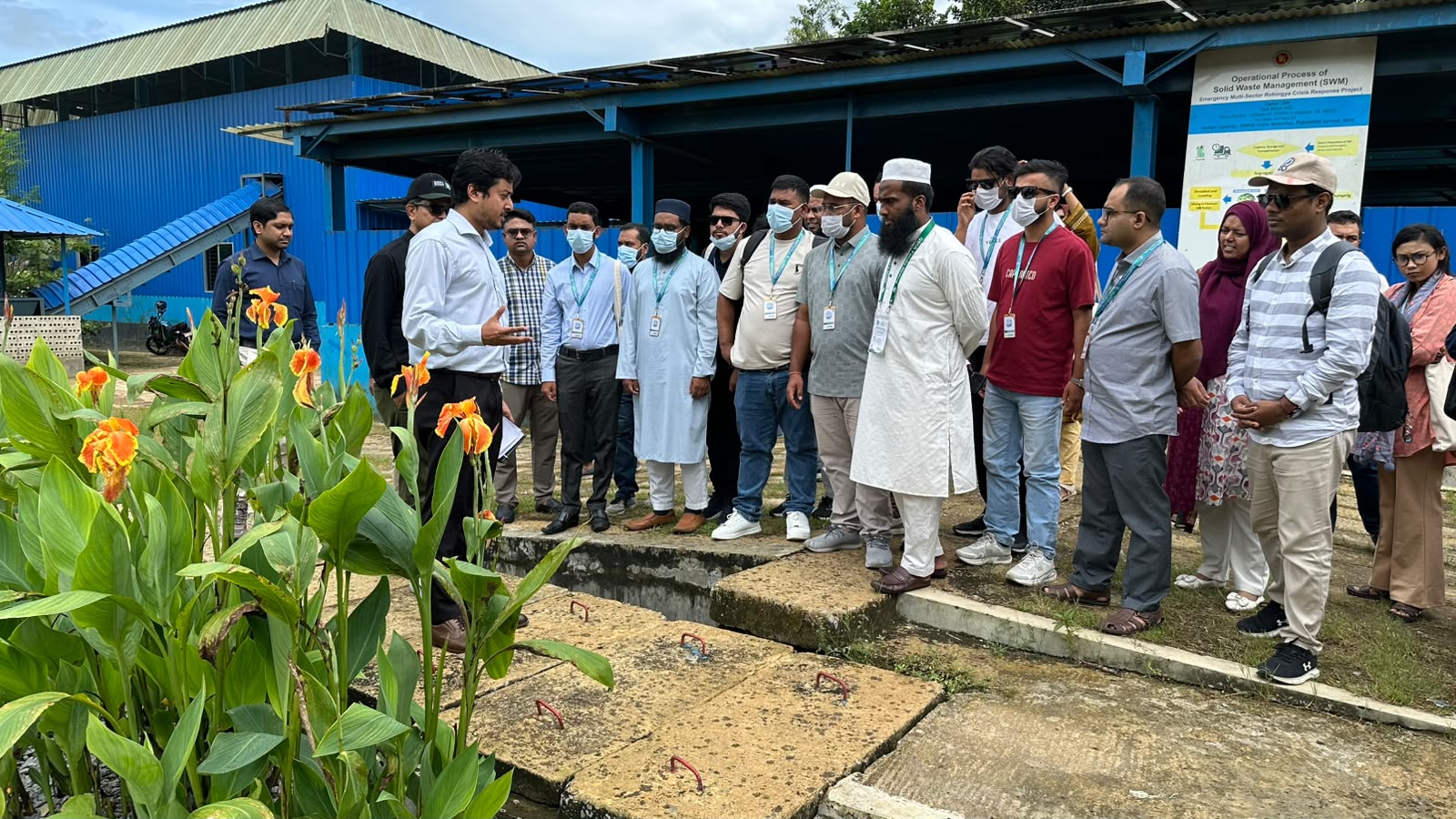
GSGS students experience WASH service delivery in emergency settings in Cox’s Bazar

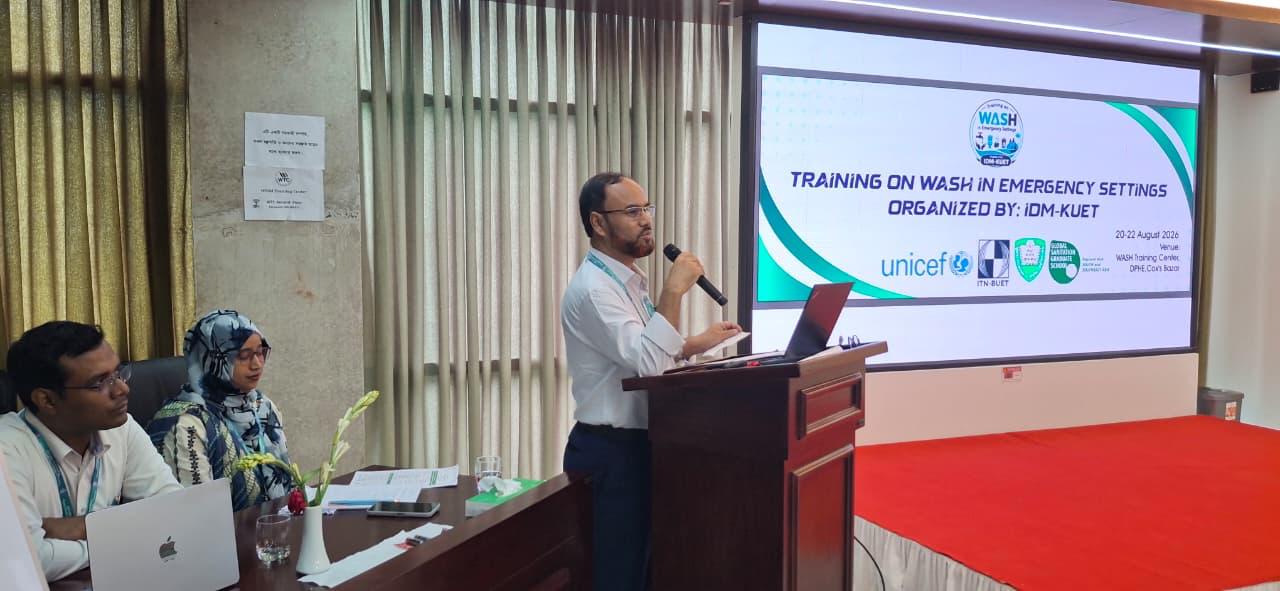
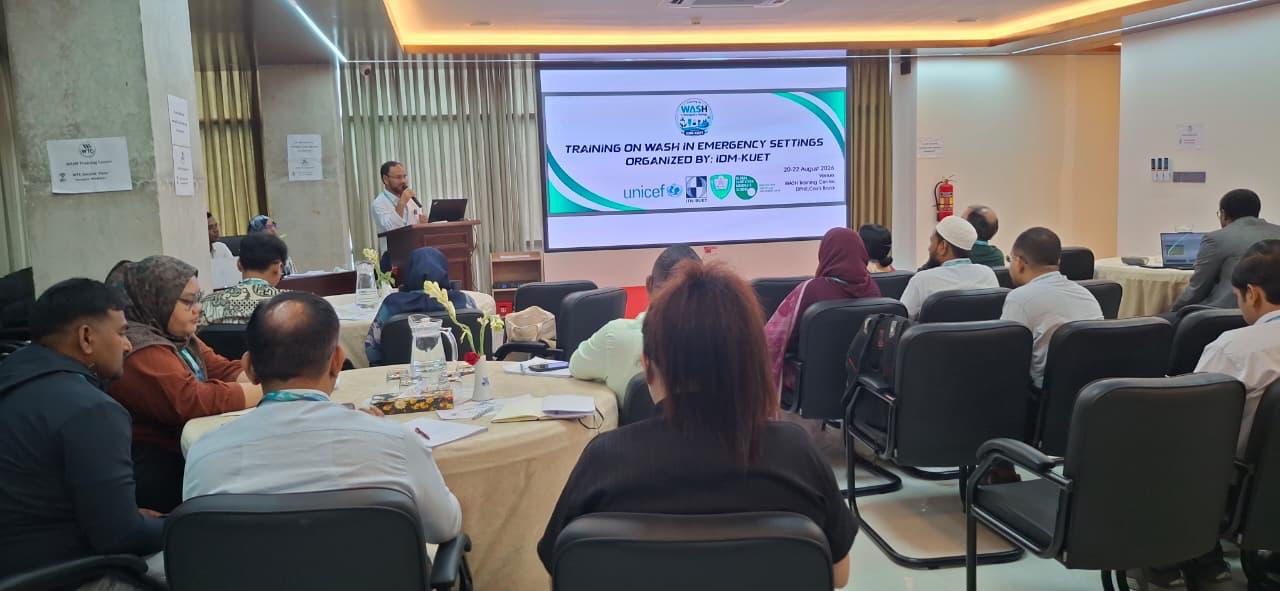
As climate-induced disasters, displacement, and humanitarian crises continue to increase across South and Southeast Asia, the need for skilled Water, Sanitation and Hygiene (WASH) professionals capable of responding effectively in emergency settings has become increasingly important. Against this backdrop, a three-day international training programme on “WASH in Emergency Settings” was held from 20–22 August 2026 at the WASH Training Centre, Department of Public Health Engineering (DPHE), Cox’s Bazar, Bangladesh. The programme was organized by the Institute of Disaster Management (IDM), Khulna University of Engineering & Technology (KUET) and brought together 25 participants, including eight women, from five universities across Bangladesh, Nepal, and Indonesia.
Participating institutions included KUET and Shahjalal University of Science and Technology (SUST) from Bangladesh, Pokhara University from Nepal, and Institut Teknologi Bandung (ITB) and Universitas Andalas from Indonesia. The participation of students and professionals from across the region highlighted the importance of regional collaboration and knowledge exchange in strengthening WASH capacity for disaster response and humanitarian action.
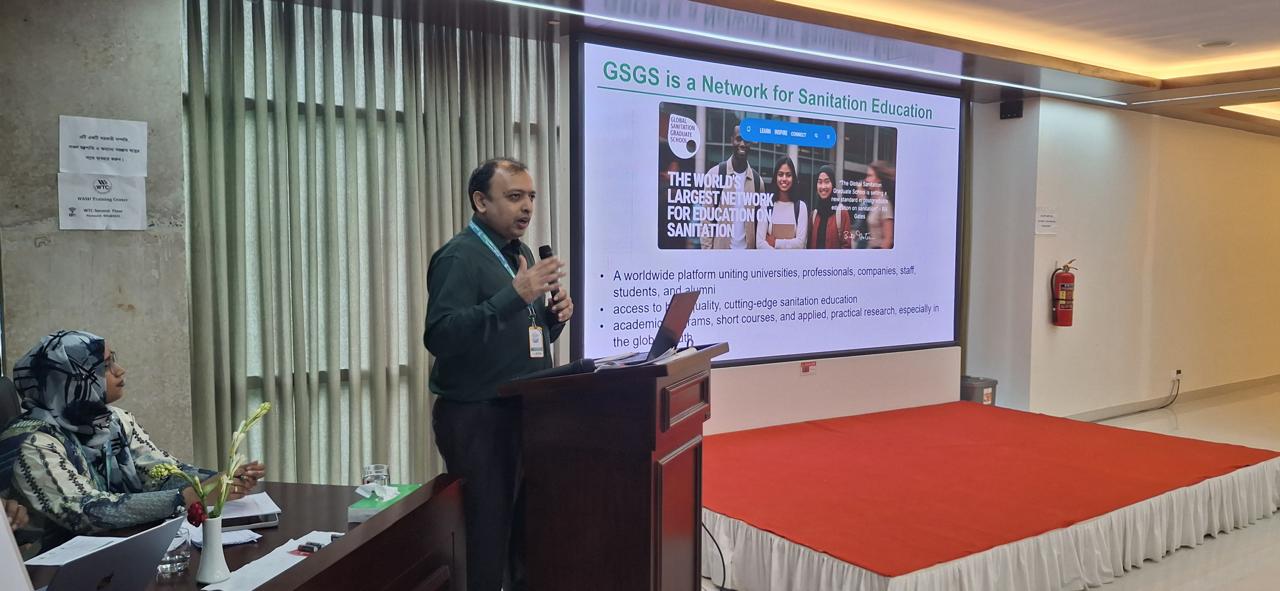
The programme opened on Day 1 with registration and an inauguration session featuring remarks from Prof. Dr. Tanvir Ahmed, Regional Director, GSGS Regional Hub for South and Southeast Asia; Mr. Raphael Nwozor, UNICEF; Prof. Dr. Rowshan Mamtaz, Director, ITN-BUET; and Prof. Dr. Md. Shahjahan Ali, Director, IDM-KUET. The speakers highlighted the importance of strengthening regional WASH capacity and equipping professionals with the knowledge and skills needed to respond effectively to emergencies.
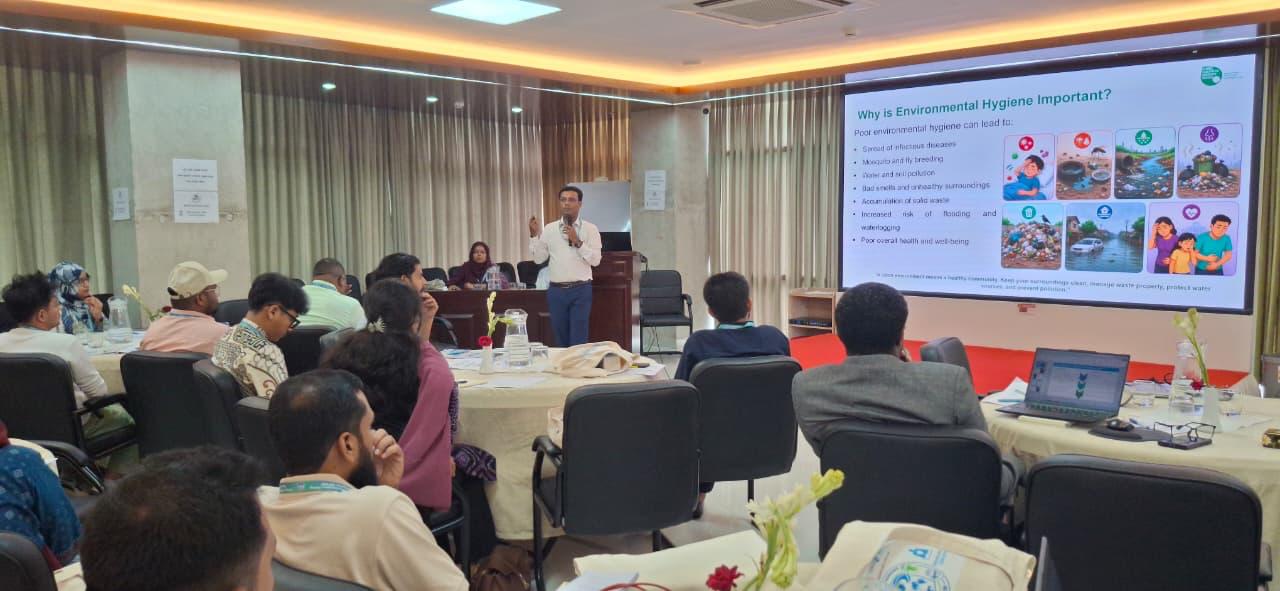
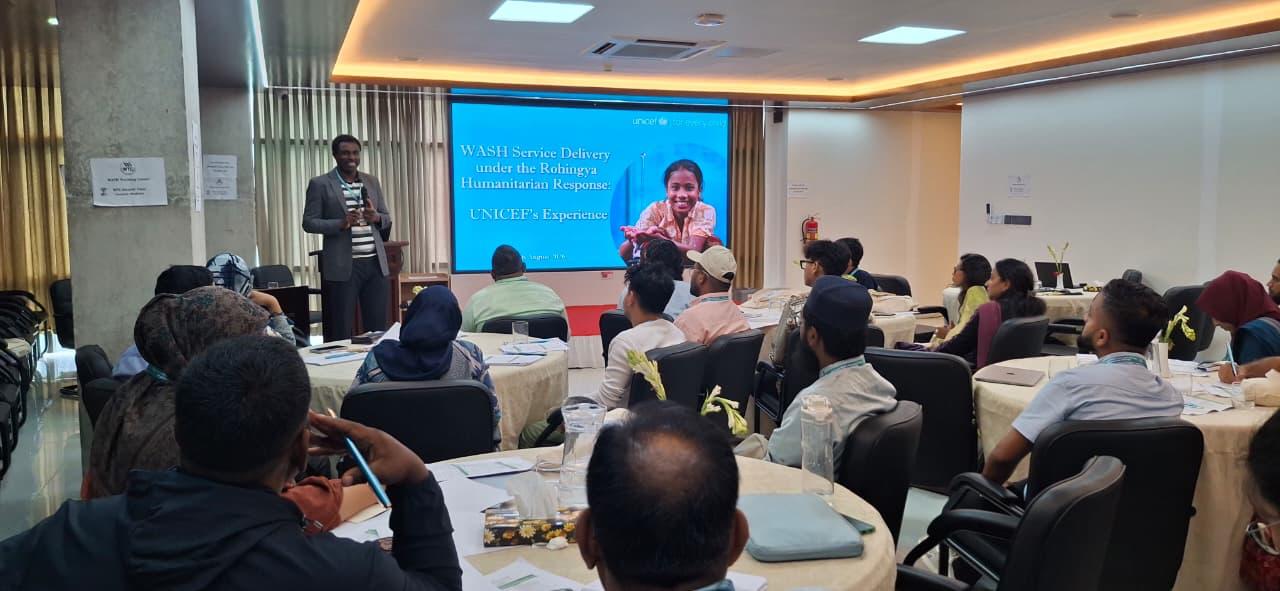
Designed to bridge theory and practice, the training combined expert-led technical sessions, research presentations, experience sharing, and a field visit to the Rohingya camps. Day 1 covered foundational topics including WASH in emergencies, climate change and disaster risk reduction, hygiene promotion and public health, WASH service delivery in the Rohingya humanitarian response, and faecal sludge management in the Rohingya camps. The sessions were delivered by experts from KUET, UNICEF, and ITN-BUET, alongside two rounds of participant research presentations.
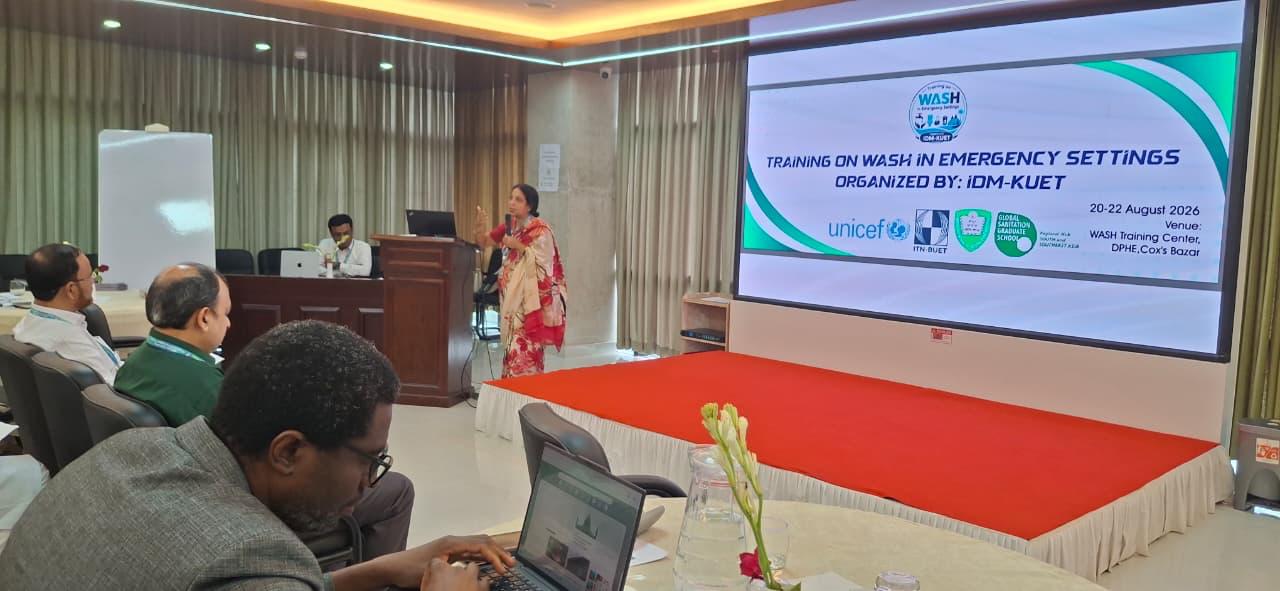
Day 2 focused on applied aspects of emergency WASH, including emergency water supply systems, SPHERE standards and humanitarian principles, innovative technologies in emergency WASH, and sanitation systems in emergency settings. Participants also continued sharing their ongoing research and professional experiences, creating opportunities for knowledge exchange among participants from different countries and institutions.
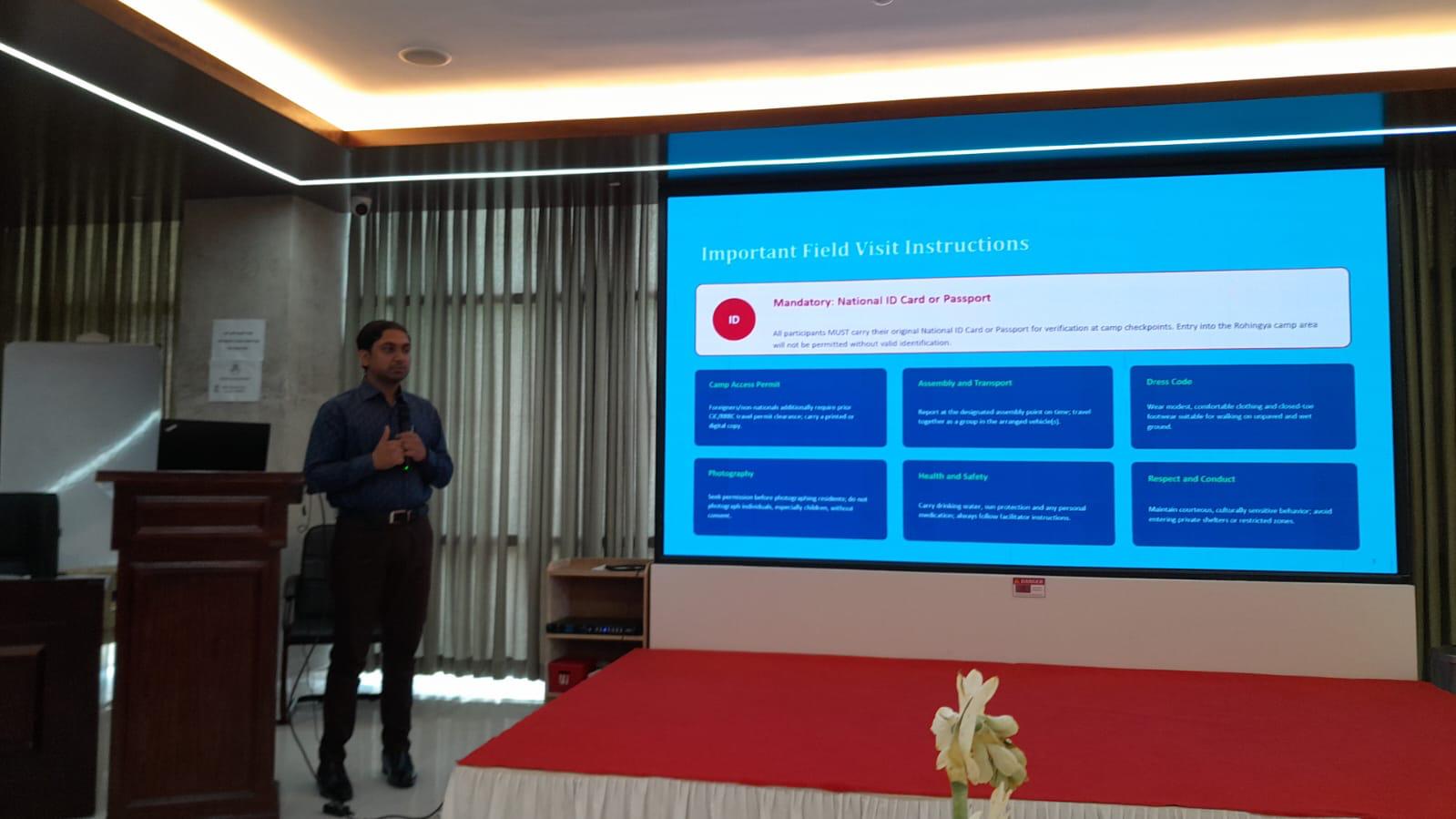
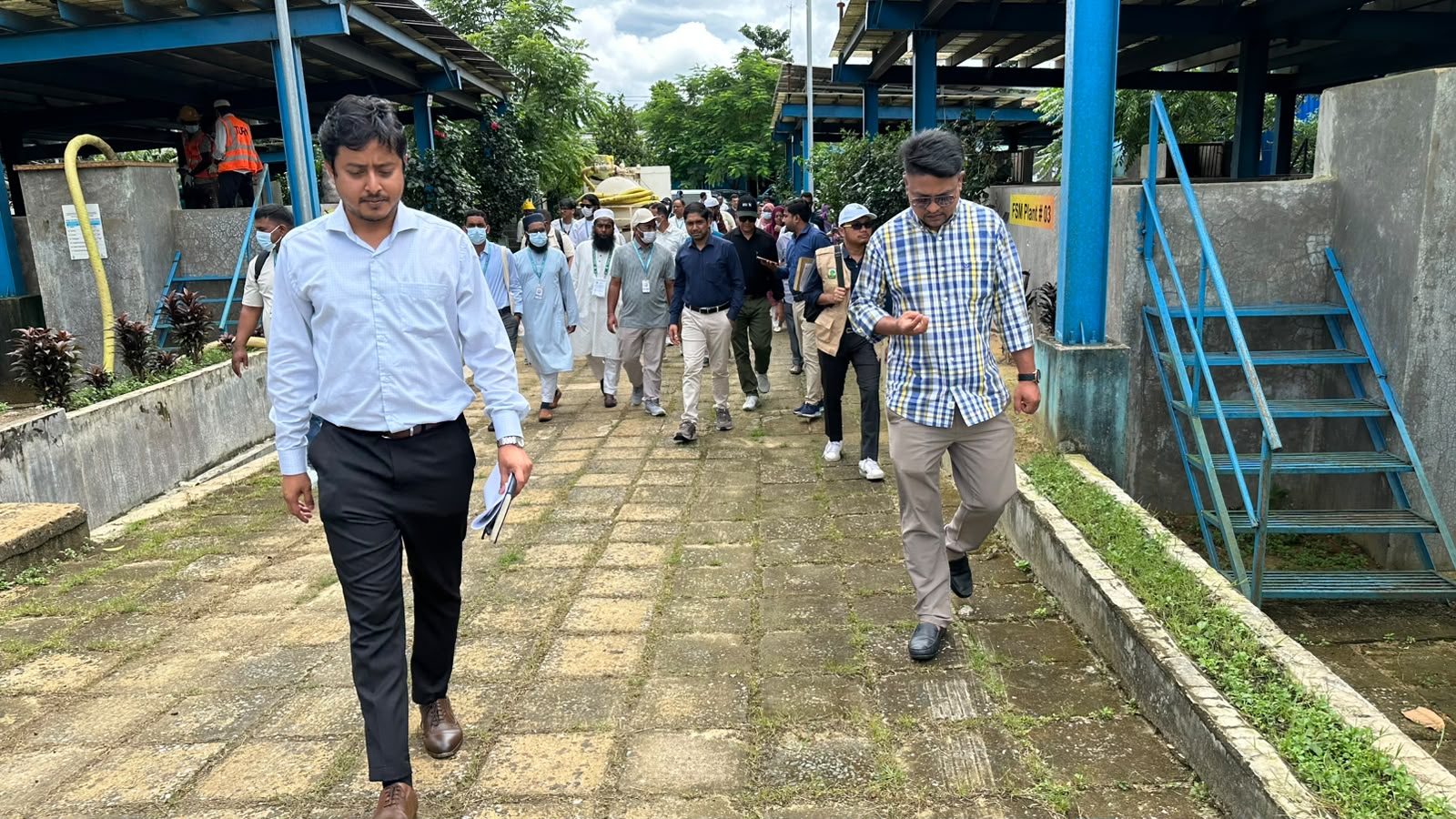
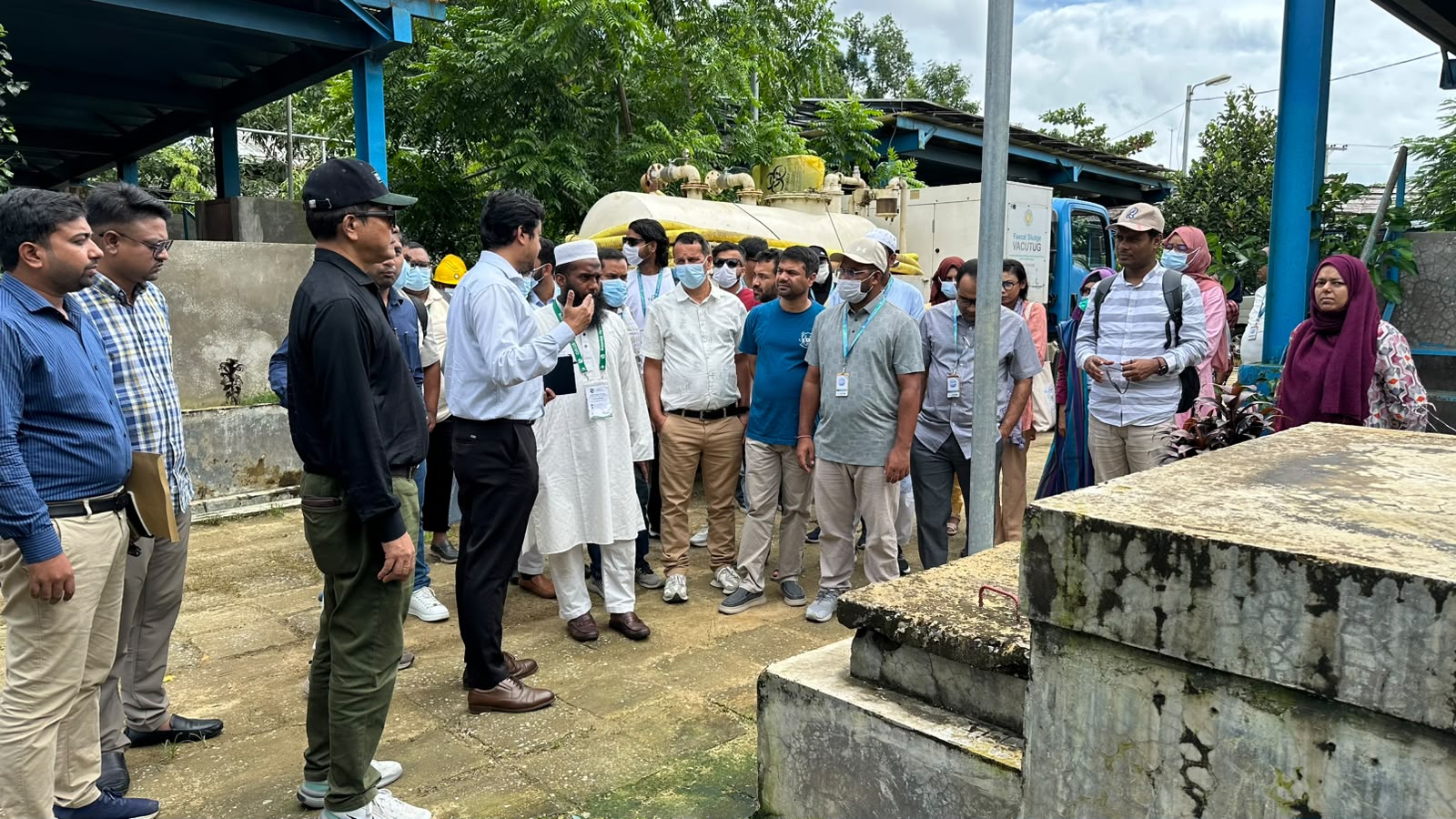
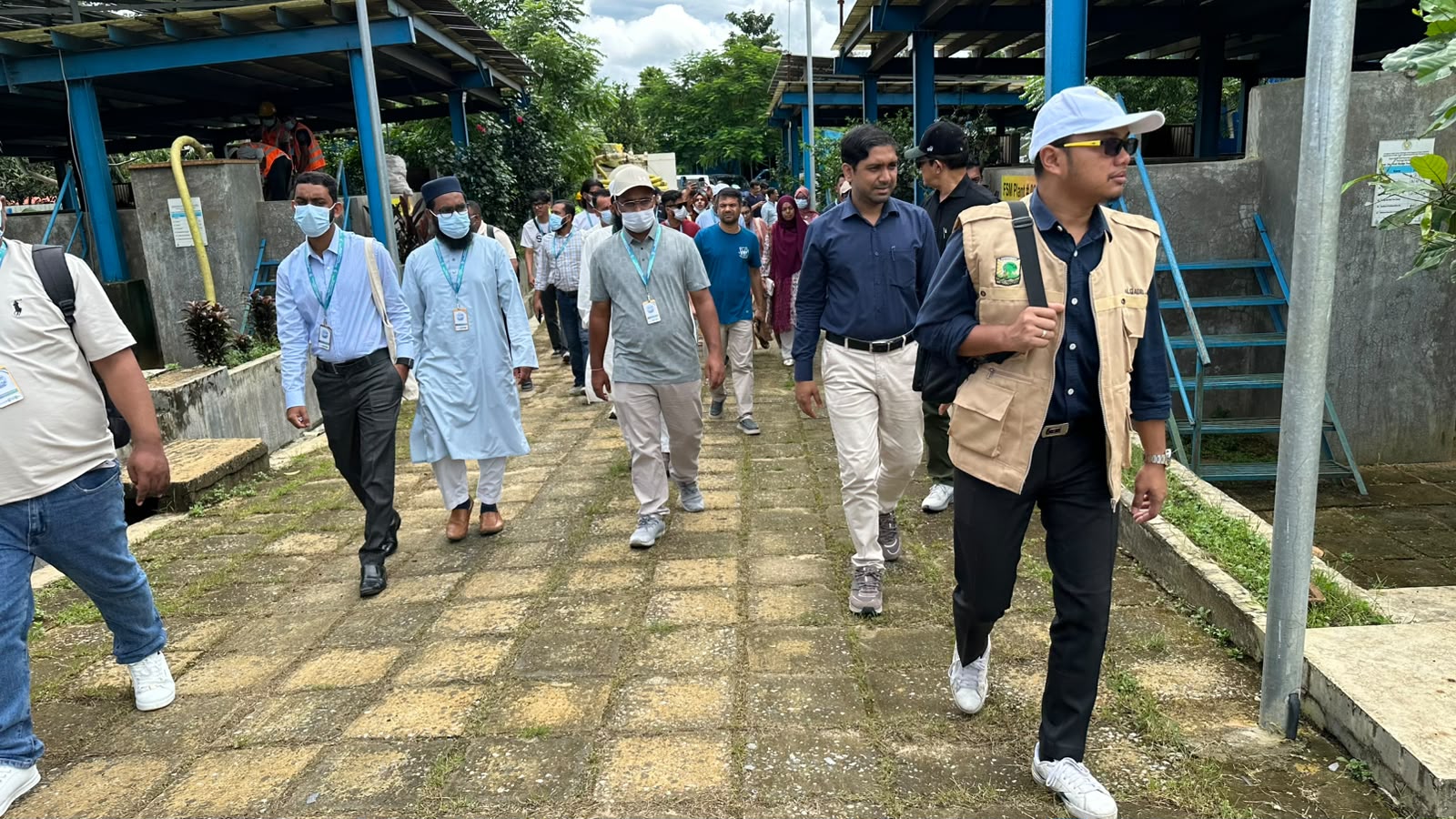
A major highlight of the programme was the technical field visit to the Rohingya camps in Cox’s Bazar on Day 3. Coordinated by Mr. Subrata Paul (BUET) and guided by Mr. G. M. Muktadir (DPHE), participants observed selected WASH facilities, water supply systems, and an integrated waste management plant, while interacting directly with field practitioners. The visit enabled participants to connect classroom learning with real-world WASH service delivery and strengthened their understanding of the technical and operational challenges involved in providing services in humanitarian settings.
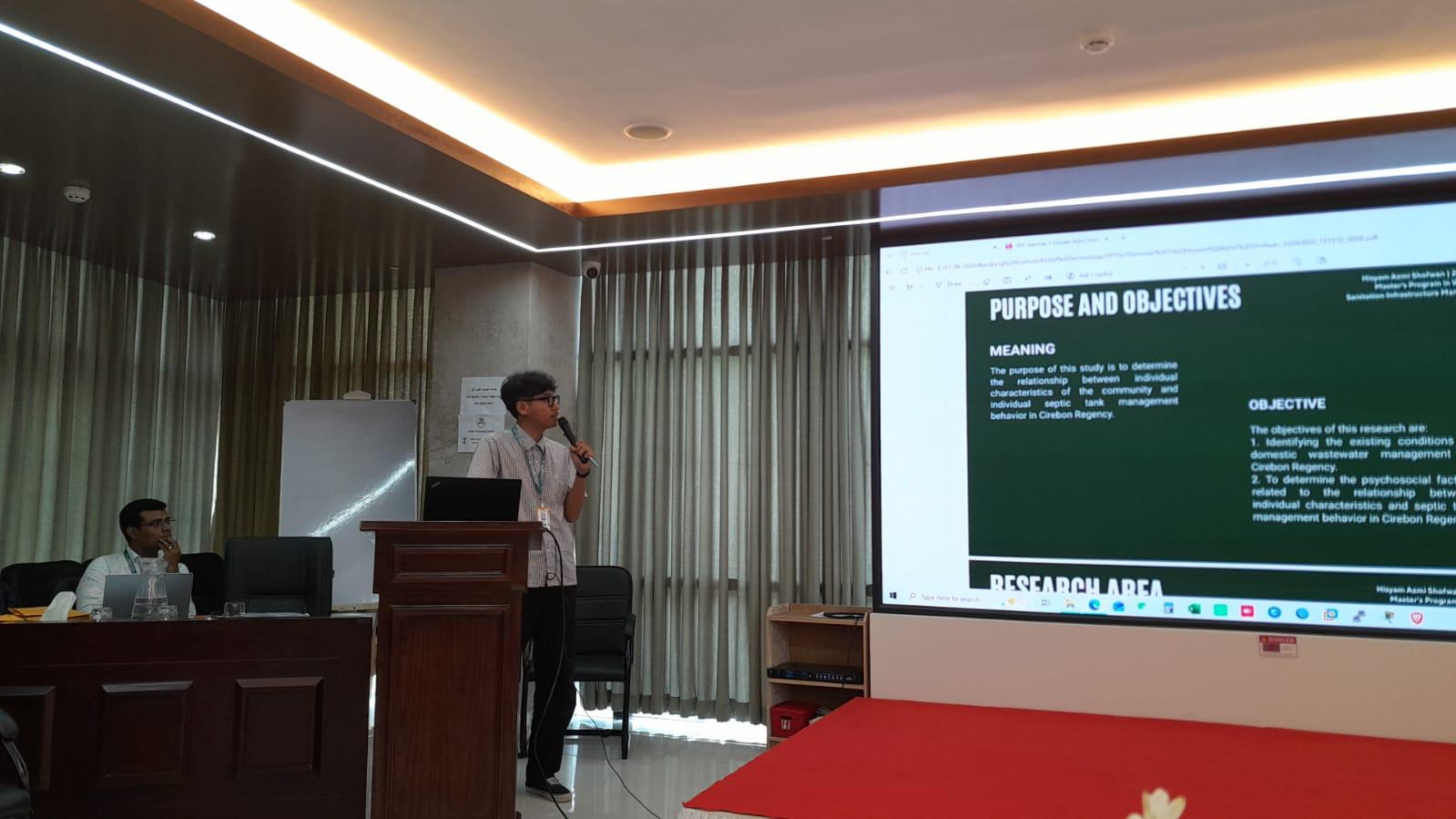
Research presentation and experience-sharing sessions were an important component throughout the programme. Participants from Bangladesh, Nepal, and Indonesia were organized into four groups to present their ongoing research and share professional perspectives on WASH challenges and solutions in different humanitarian contexts. These exchanges encouraged academic dialogue and created opportunities for future cross-border research and collaboration.
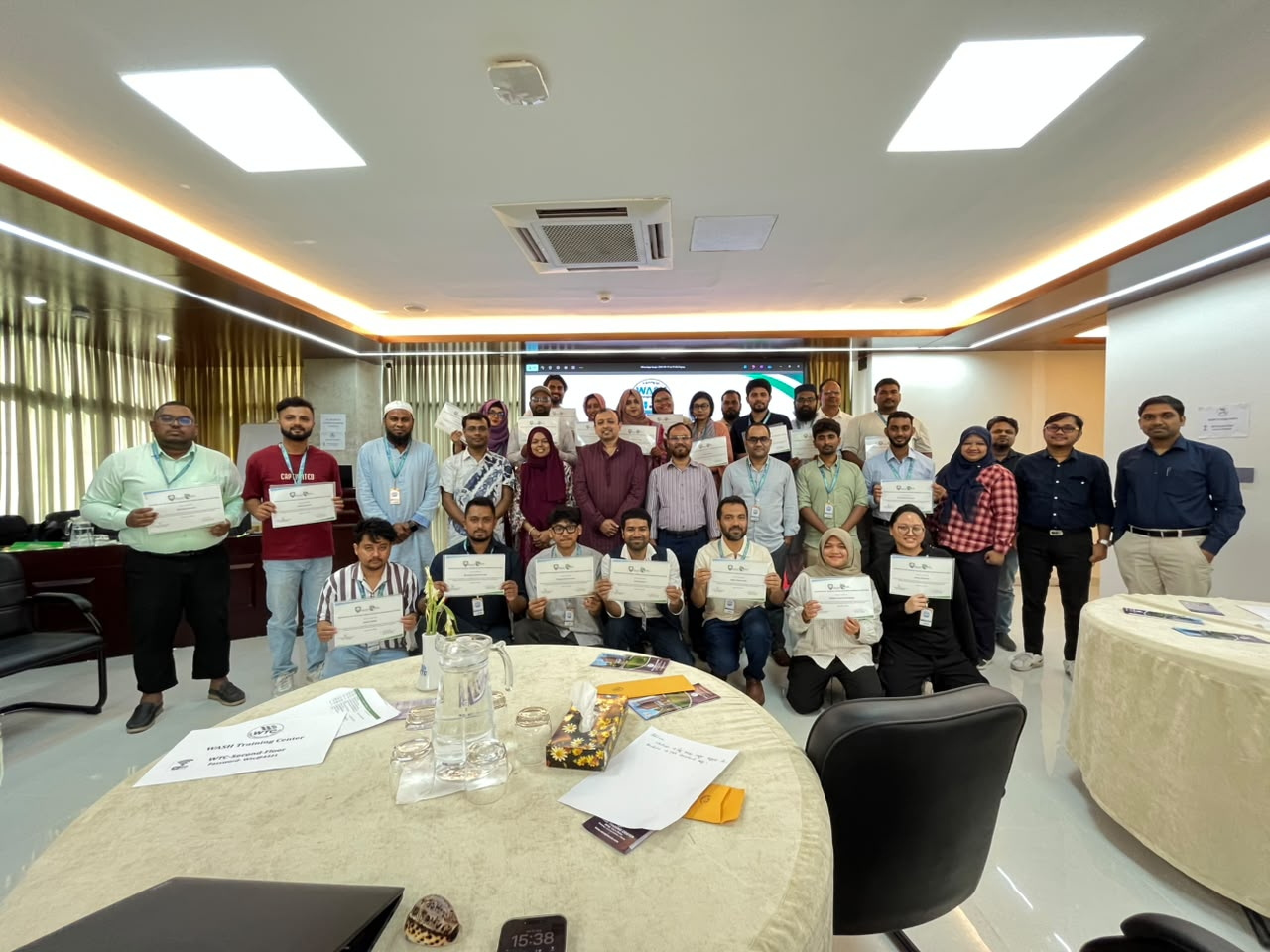
The programme concluded with a feedback session, certificate-giving ceremony, and closing session led by IDM-KUET. In their closing remarks, Prof. Dr. Tanvir Ahmed and Prof. Dr. Md. Shahjahan Ali emphasized the importance of strengthening regional collaboration and capacity building in WASH education in response to increasing climate-related disasters and humanitarian crises.
Prof. Ahmed highlighted the need for a new generation of WASH professionals equipped with technical expertise, innovation, adaptability, and practical field experience. Prof. Ali emphasized the importance of integrating WASH management with disaster risk reduction and ensuring that technical knowledge is translated into effective field-level action to provide safe water, sanitation, and hygiene services to vulnerable and disaster-affected communities.
The three-day training provided participants with a valuable opportunity to learn, exchange, and experience WASH service delivery in a real humanitarian context, strengthening both their technical knowledge and their capacity to contribute to more effective and resilient WASH responses across the region.