GSGS showcases regional initiatives and strengthens academia – practice collaboration at World Toilet Summit 2026

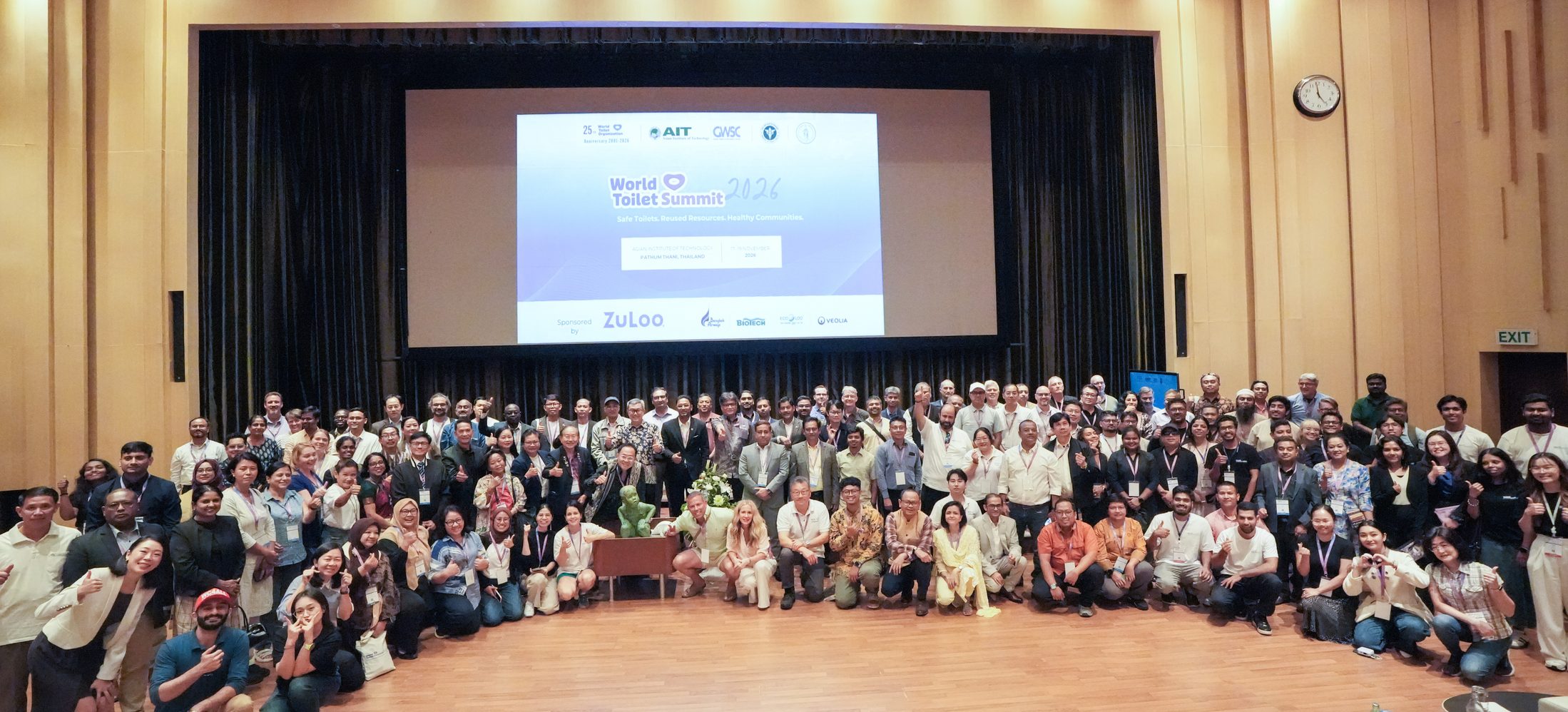
The Global Sanitation Graduate School (GSGS), represented by its Regional Hub South and Southeast Asia (GSGS RH SSEA), actively participated in the World Toilet Summit 2026, hosted by the Asian Institute of Technology (AIT), Thailand, from 17–19 November 2026. Through a joint exhibition, a dedicated technical session and a contribution to a plenary discussion, GSGS highlighted its regional initiatives and reinforced its commitment to advancing sanitation education and strengthening collaboration between academia and practitioners.
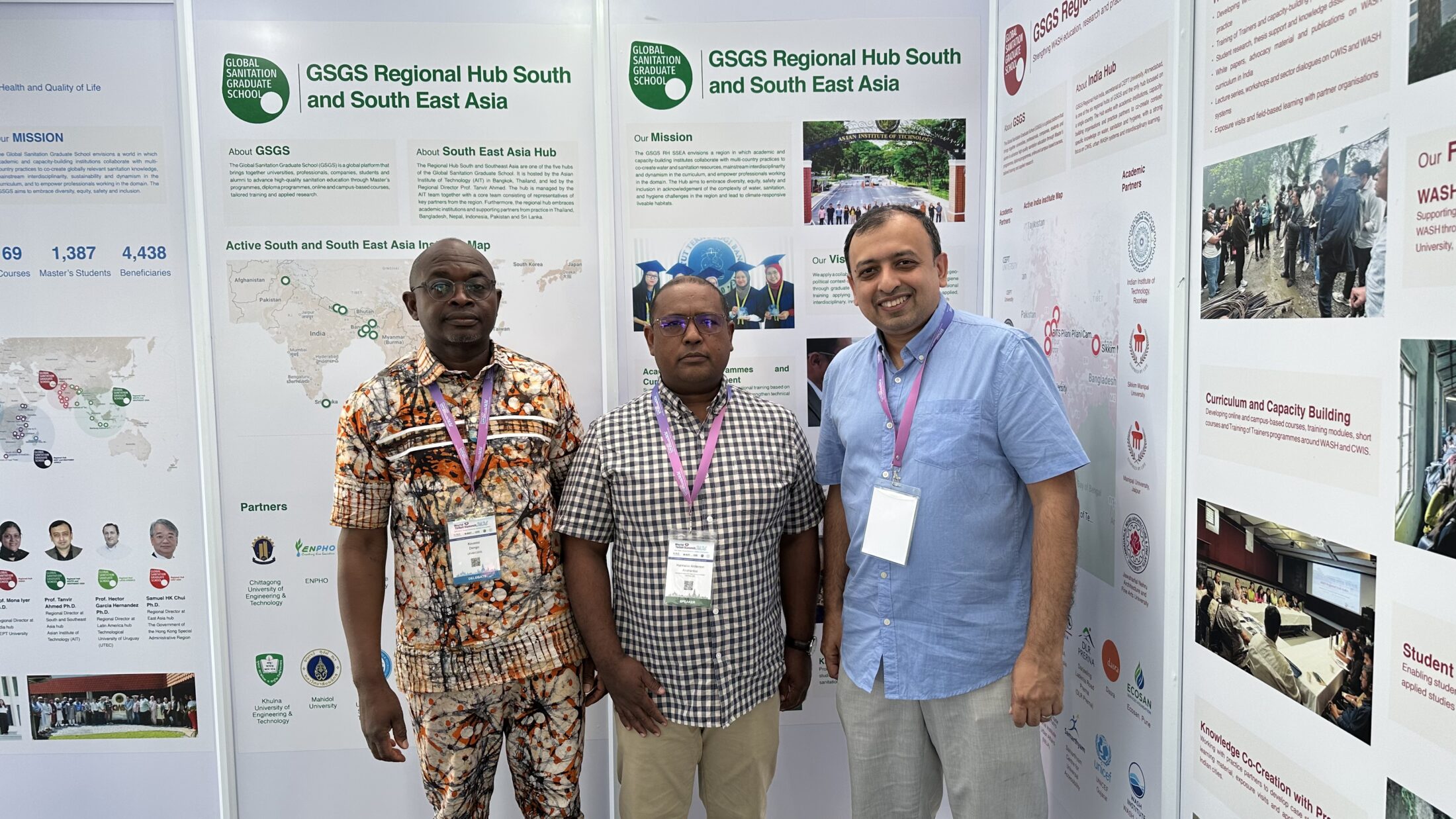
GSGS RH SSEA and GSGS RH India jointly organized an exhibition stall, showcasing the activities, educational programmes and achievements of their respective regional hubs. The exhibition introduced visitors to the GSGS vision of developing a skilled, knowledgeable and future-ready sanitation workforce. It also provided an excellent opportunity for delegates, academic institutions, development partners and sanitation professionals to learn more about GSGS, exchange ideas and explore opportunities for collaboration.
Bridging academia and practice
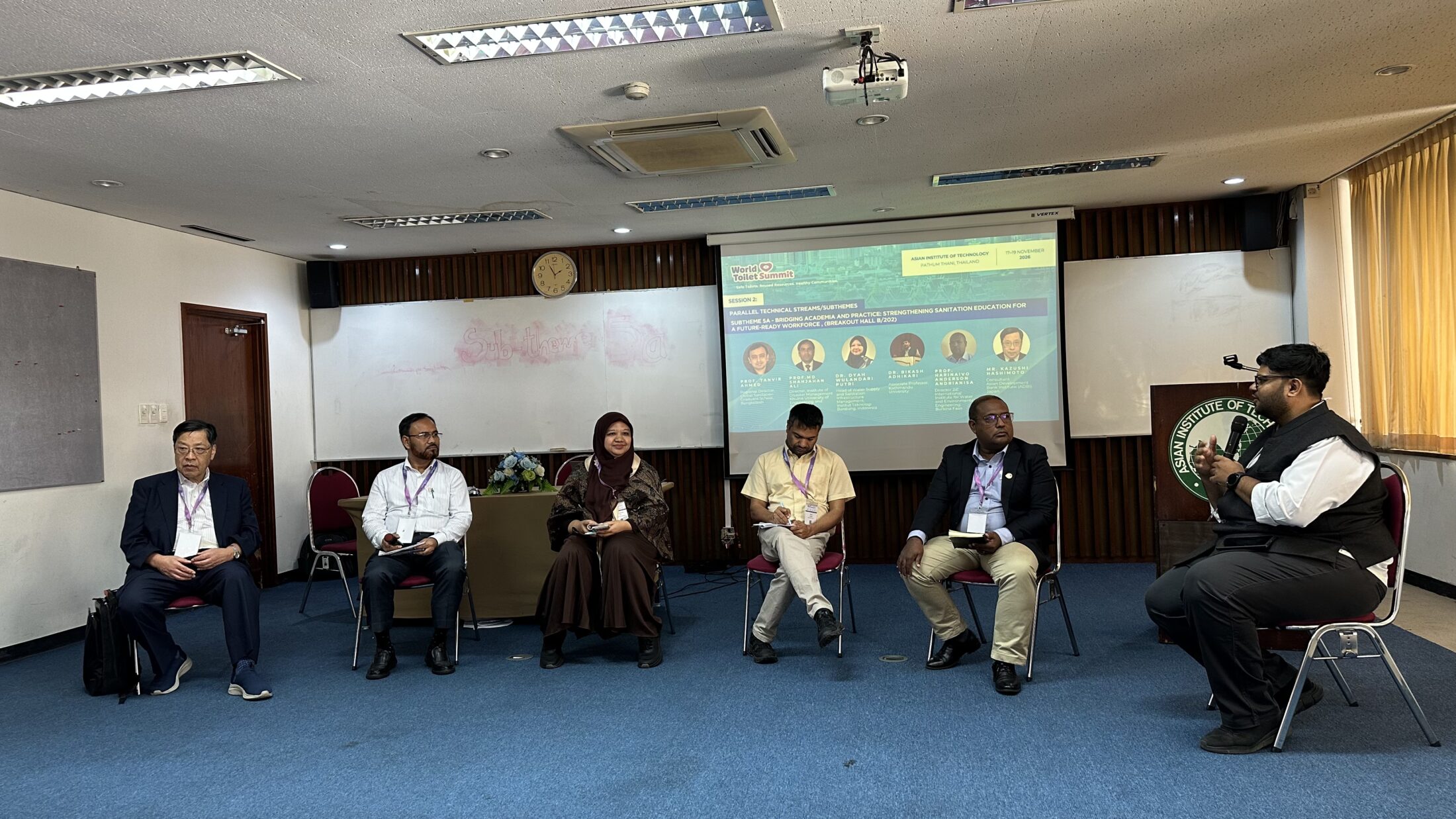
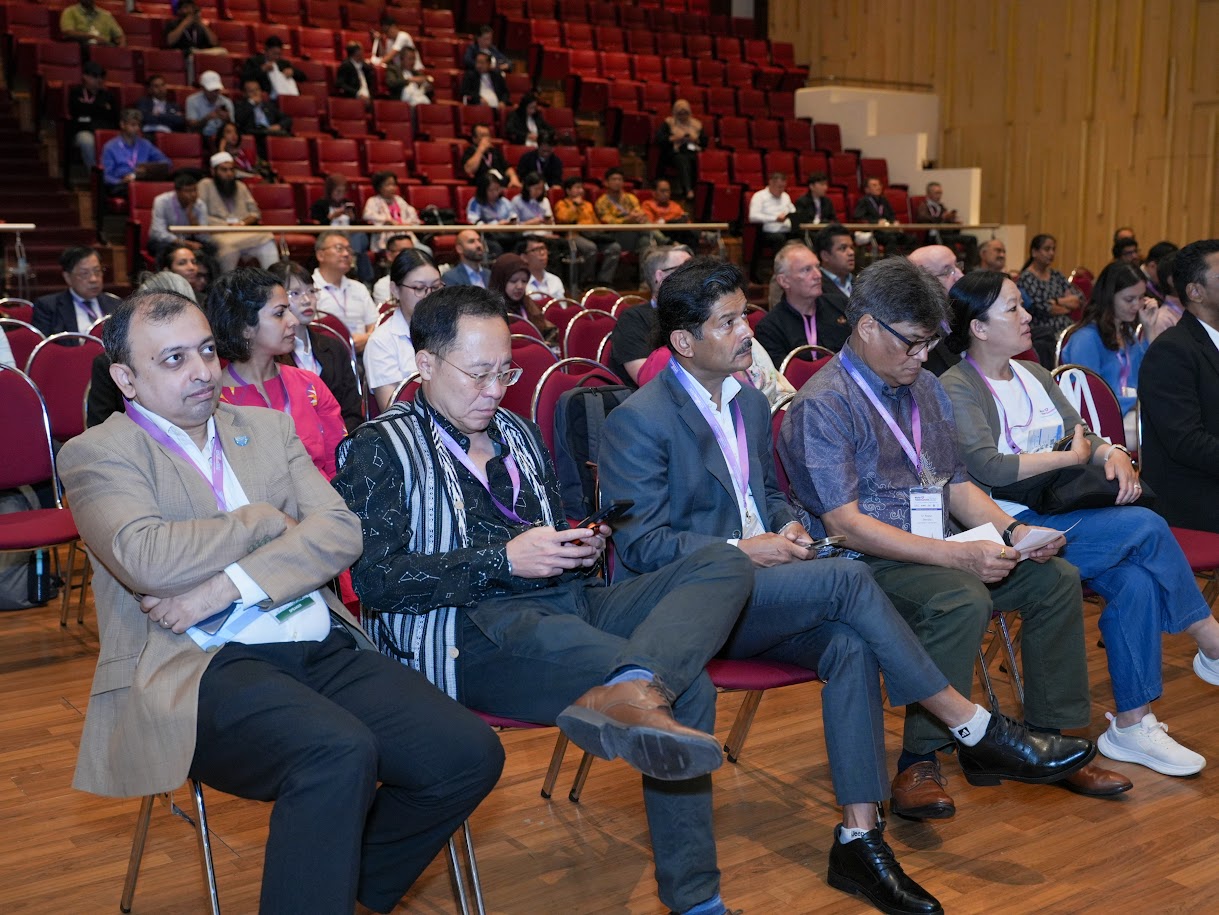
A major highlight of GSGS’s participation was the dedicated side event entitled “Bridging Academia and Practice: Strengthening Sanitation Education for a Future-Ready Workforce,” jointly organized by GSGS RH SSEA and GSGS RH India.
The session addressed the importance of connecting academic knowledge, research and professional education with the practical needs of the sanitation sector. Its central objective was to explore how higher education and professional training can better prepare the next generation of sanitation professionals to respond to emerging challenges in sanitation service delivery.
Prof. Dr. Tanvir Ahmed, Regional Director of GSGS RH SSEA, opened the session with welcome remarks, introducing GSGS and its global network of regional hubs. He highlighted the importance of stronger links between academic institutions and sanitation practitioners before introducing the panel discussion.
Moderated by Mr. Siddh Doshi of CEPT University, India, the panel brought together distinguished experts from Asia and Africa:
- Mr. Kazushi Hashimoto, Asian Development Bank Institute (ADBI), Japan
- Prof. Harinaivo Anderson Andrianisa, 2iE, Burkina Faso
- Prof. Dr. Shahjahan Ali, Khulna University of Engineering & Technology (KUET), Bangladesh
- Dr. Dyan Wulandari Putri, Institut Teknologi Bandung (ITB), Indonesia
- Dr. Bikash Adhikari, Kathmandu University, Nepal
The discussion explored how universities, research institutions, development organizations and sanitation practitioners can work more closely together. Particular attention was given to integrating academic education, applied research, professional training and practical experience to develop a competent workforce capable of addressing the evolving needs of the sanitation sector.
Bringing the human dimension into sanitation operations
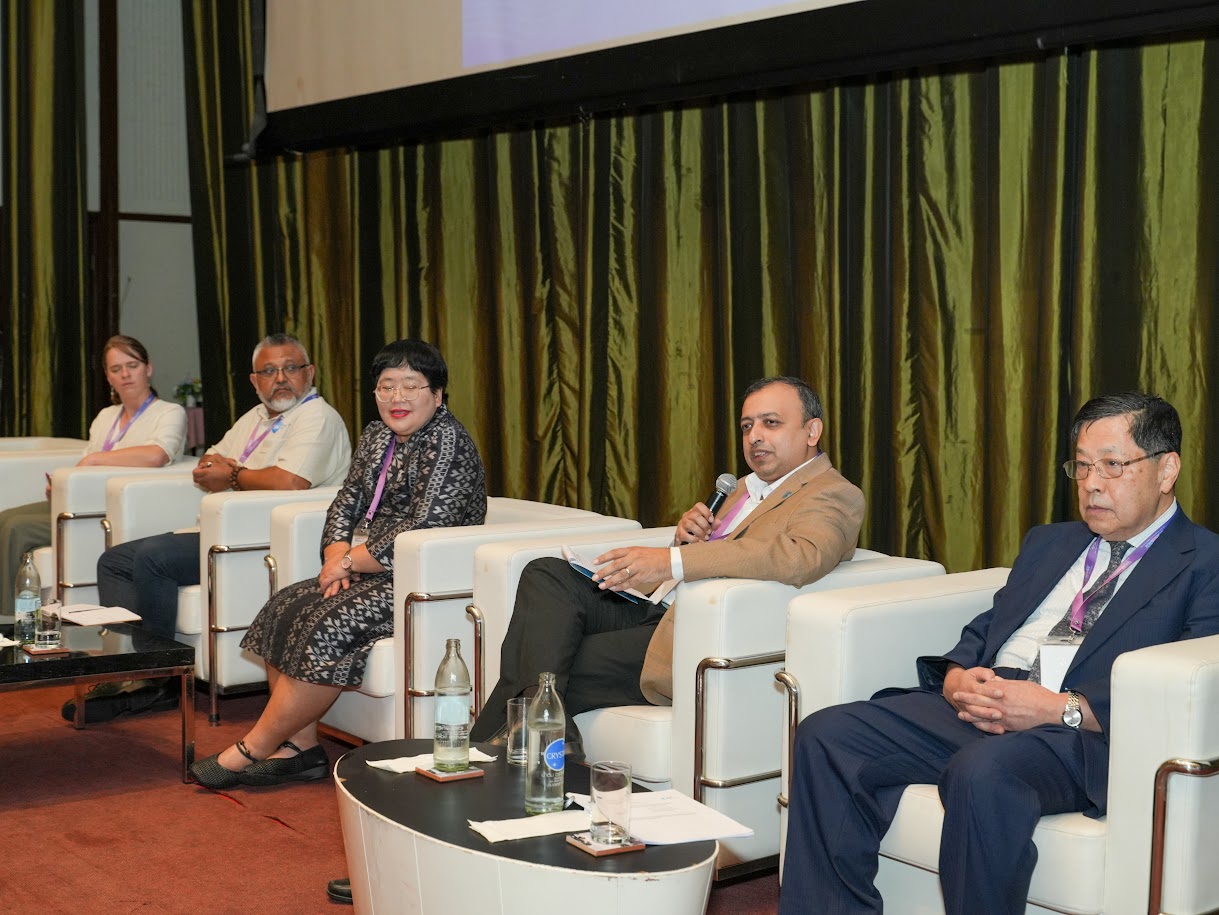
Further strengthening GSGS’s presence at the Summit, Prof. Dr. Tanvir Ahmed also participated as a panelist in the Subtheme 5 Plenary Session, entitled “Beyond Infrastructure: The Human Engine of Sanitation Operations and Maintenance.”
His contribution highlighted the importance of human capacity, professional skills and continuous learning in ensuring the long-term sustainability of sanitation services. The discussion reinforced an essential message: sustainable sanitation requires more than infrastructure and technology. It also depends on qualified people, strong institutions and continuous investment in education and capacity development.
Strengthening partnerships for a future-ready sanitation workforce
Through its exhibition, technical session and plenary contribution, GSGS RH SSEA, together with GSGS RH India, successfully highlighted the importance of education, knowledge exchange and academia–practice collaboration in advancing the sanitation sector.
The participation at the World Toilet Summit 2026 further demonstrated the value of GSGS’s global network of academic and institutional partners in addressing sanitation challenges through education, research and professional capacity development.
Building a future-ready sanitation workforce requires bringing education, research and practice together. This remains at the heart of the GSGS mission.