From learning to practice: A three-phase learning journey in Faecal Sludge Management (FSM)

Combining online learning, hands-on technical training, and real-world field observation to strengthen sanitation professionals in Nepal
As Nepal advances toward achieving safely managed sanitation, there is a growing need for skilled professionals capable of planning, designing, and operating faecal sludge management (FSM) systems. While municipalities continue investing in Faecal Sludge Treatment Plants (FSTPs) and related infrastructure, sustainable sanitation requires not only physical facilities but also qualified professionals with practical technical expertise. Addressing this need, the Environment and Public Health Organization (ENPHO), with support from Eawag and the Global Sanitation Graduate School (GSGS), organized a blended Faecal Sludge Management Training Programme that combined online learning, in-person technical training, and field observation to strengthen participants’ technical knowledge and practical skills.
The programme brought together 20 participants, including students from Tribhuvan University, Kathmandu University, and Pokhara University, as well as representatives from development organizations such as Ratauli Yuwa Club and Habitat for Humanity Nepal, and the private sector, including Clean Vision Nepal. By bringing together future sanitation professionals and practitioners, the programme created an interactive learning environment that encouraged knowledge exchange, collaboration, and discussion on Nepal’s urban sanitation challenges.
Phase One: Online Learning
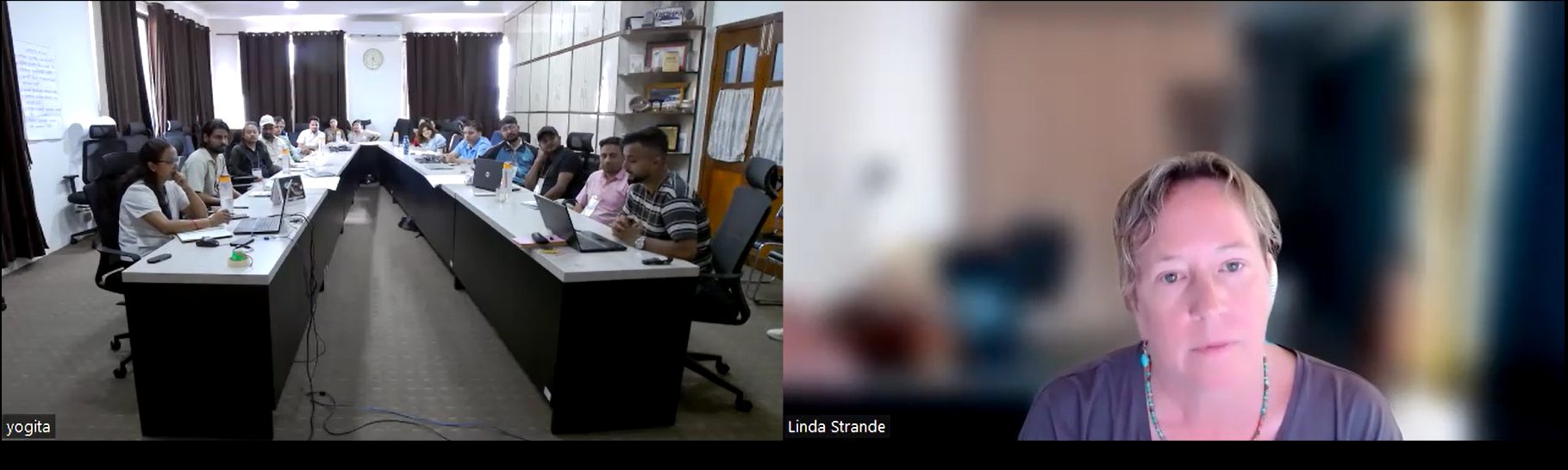
The learning journey began on 4 May 2026 with a four-week self-paced online course delivered through the Eawag Coursera platform. The course was complemented by four live Zoom sessions led by national and international experts, including Mr. Rajendra Shrestha, Dr. Bikash Adhikari, Prof. Dr. Tanveer Ahmed, and Dr. Linda Strande, with facilitation by ENPHO team members Mr. Ash Kumar Khaitu, Mr. Subash KC, and Ms. Yogita Rajchal.
Key topics included the integrated FSM service chain, treatment technologies, and emerging innovations in faecal sludge management. The combination of self-paced learning and live discussions enabled participants to deepen their technical understanding, interact directly with experts, and discuss practical implementation challenges.
Phase Two: In-Person Training
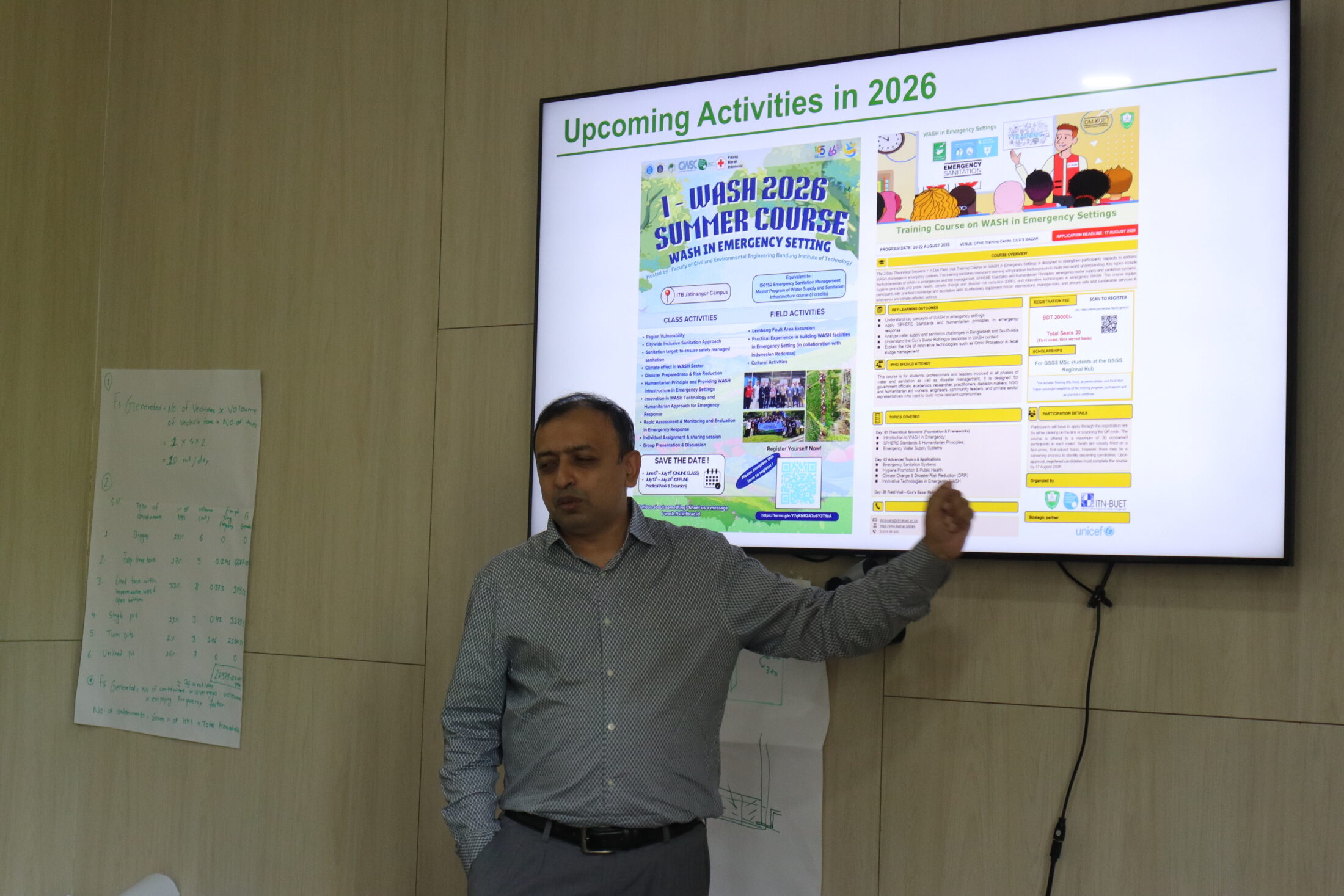
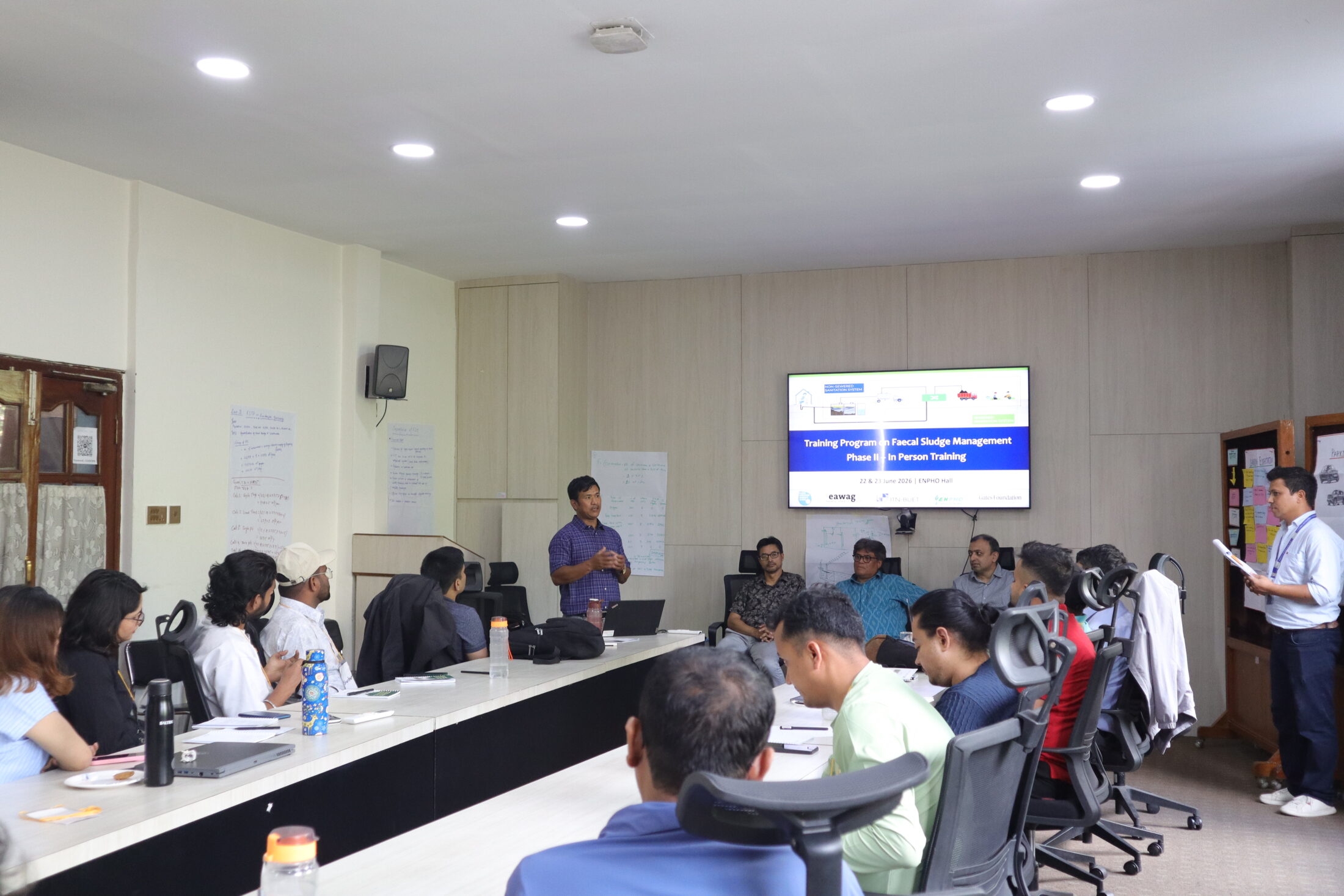
Building on the online learning, participants attended a two-day in-person technical training at ENPHO on 22–23 June 2026. The sessions focused on translating theory into practice through technical lectures, design exercises, group discussions, and problem-solving activities.
Training topics included the relationship between FSM and City-Wide Inclusive Sanitation (CWIS), septic tank design, faecal sludge quantification and characterization, sludge drying beds, anaerobic baffled reactors (ABRs), anaerobic filters (AFs), and constructed wetlands. Through practical exercises and case-based discussions, participants strengthened their understanding of engineering design principles while exploring implementation challenges commonly faced by municipalities in improving sanitation services.
Phase Three: Field Visit
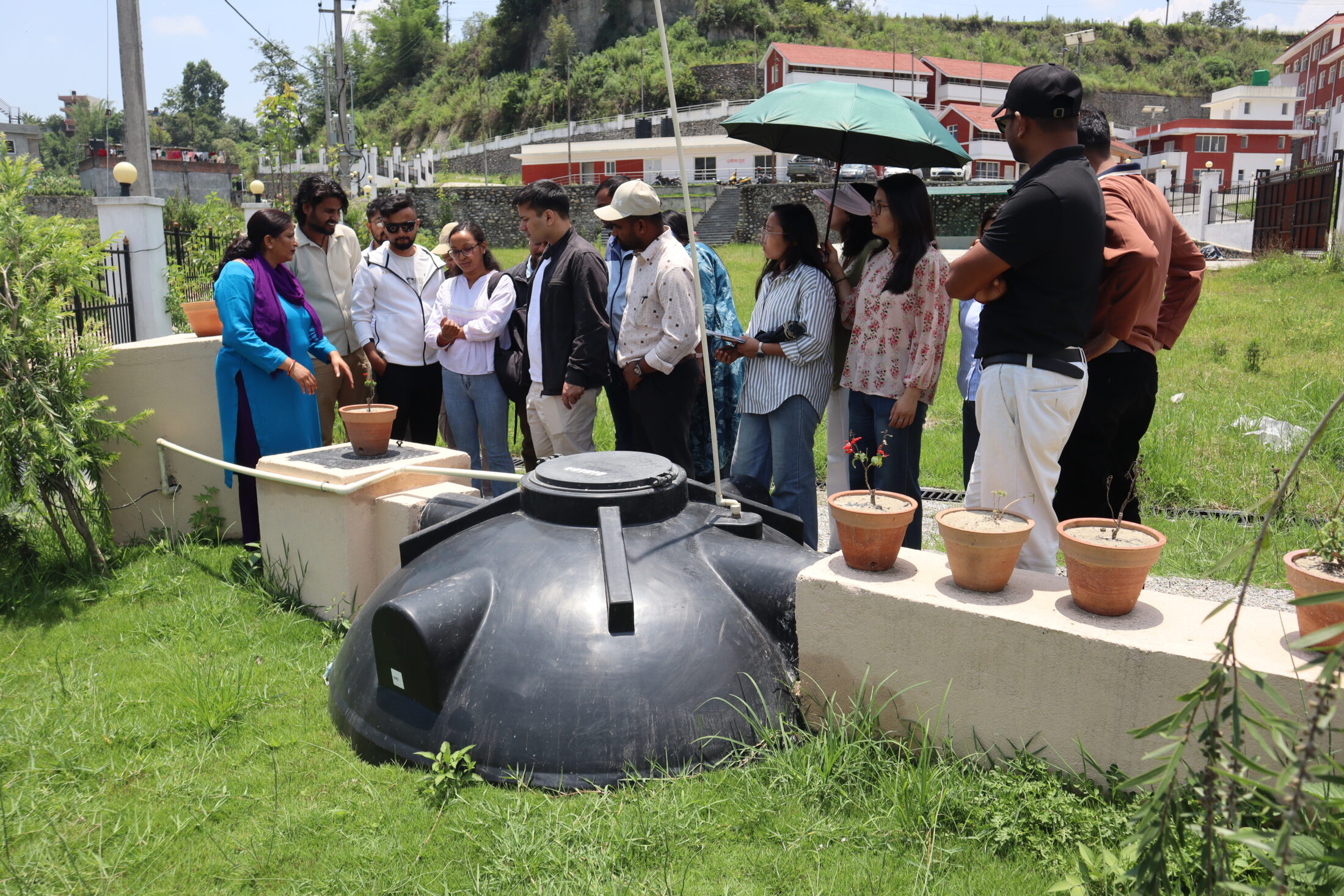
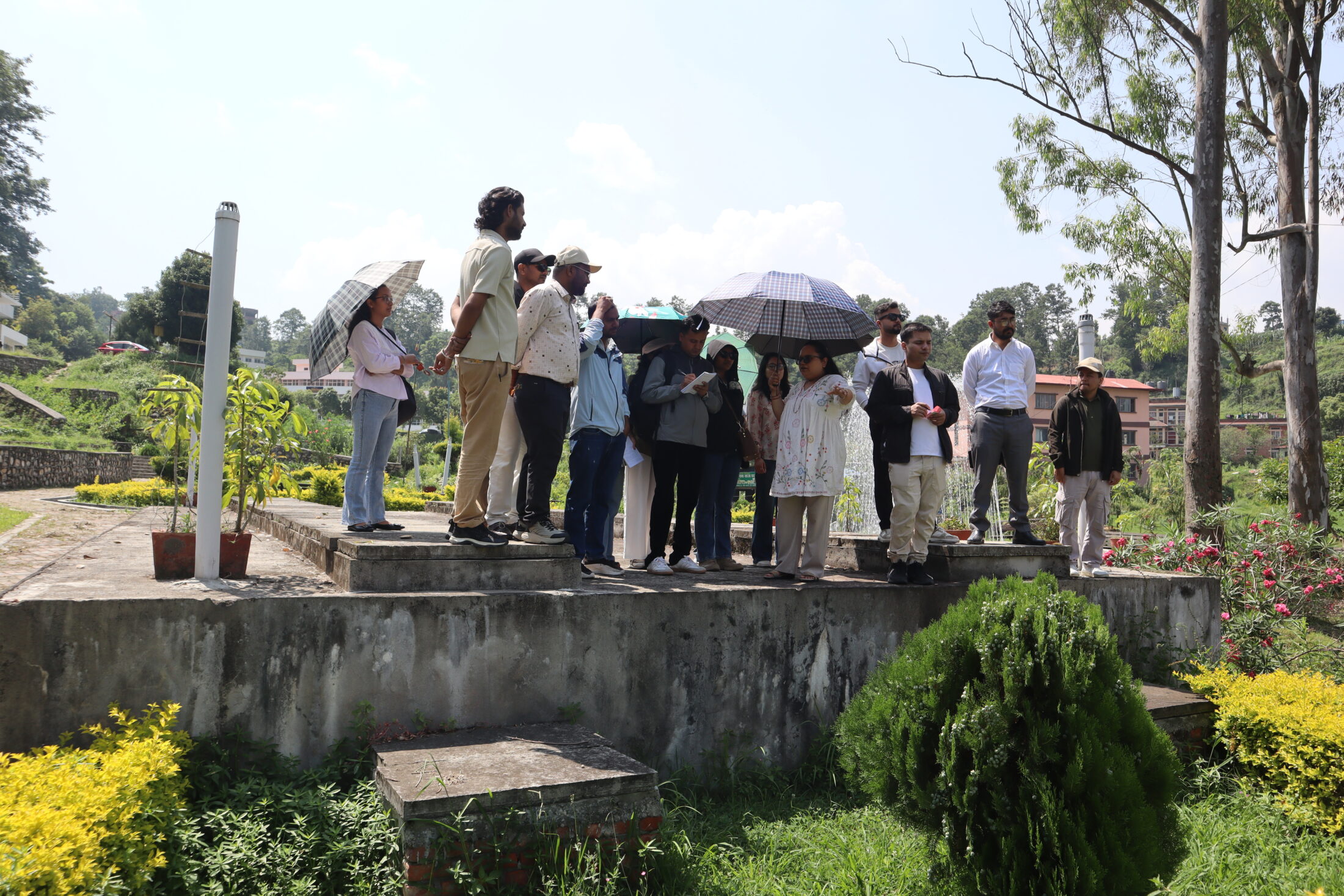
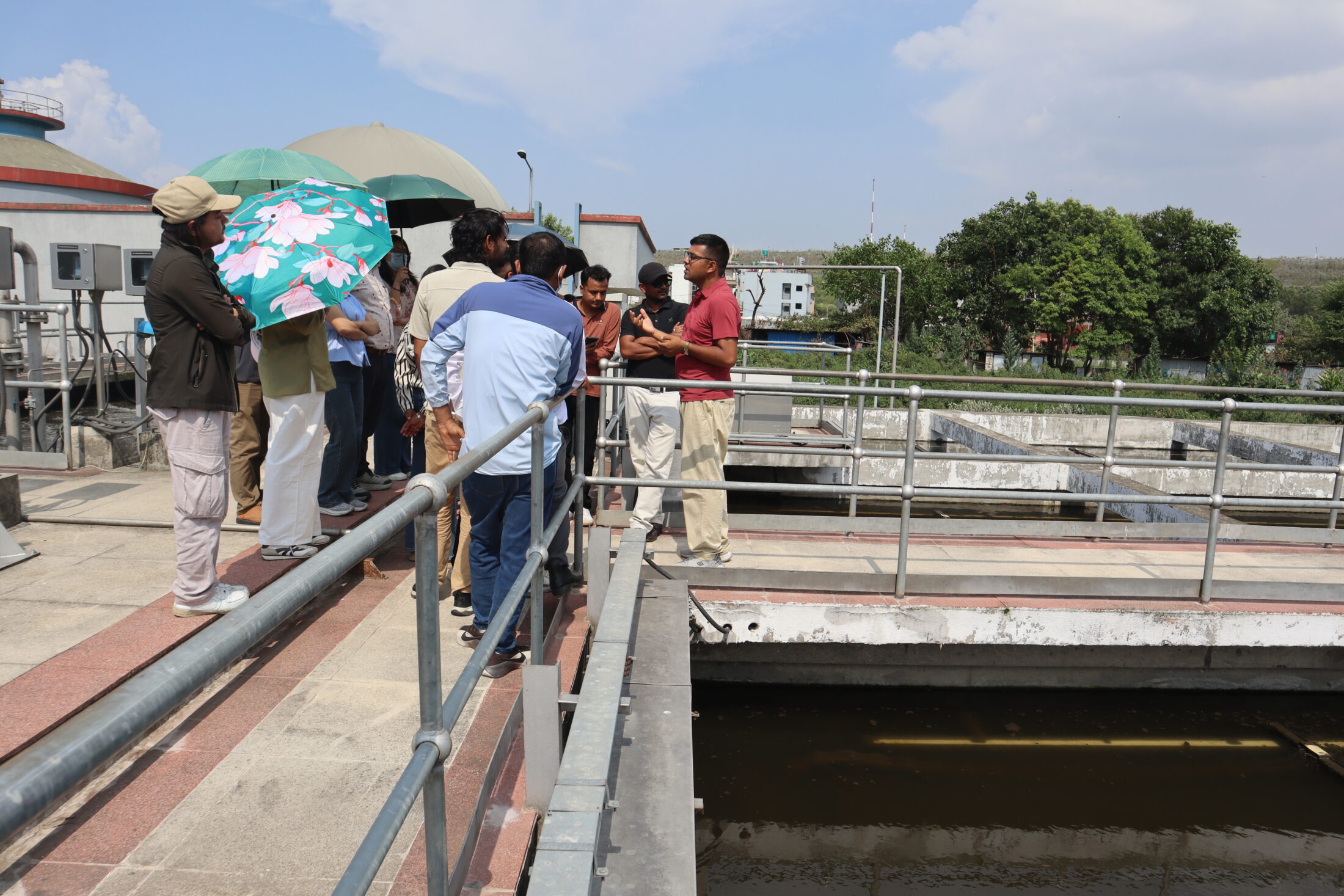
On 24 June 2026, participants completed the programme with a field visit designed to connect classroom learning with real-world sanitation systems.
The visit included Dhulikhel Hospital, where participants observed a Decentralized Wastewater Treatment System (DEWATS); Changunarayan Municipality, where they learned about Sintex prefabricated septic tanks as space-efficient containment solutions; and the Guheshwori Wastewater Treatment Plant, Nepal’s largest wastewater treatment facility. The field visits enabled participants to observe treatment processes, operational practices, and resource recovery opportunities while reinforcing the practical application of concepts covered during the programme.
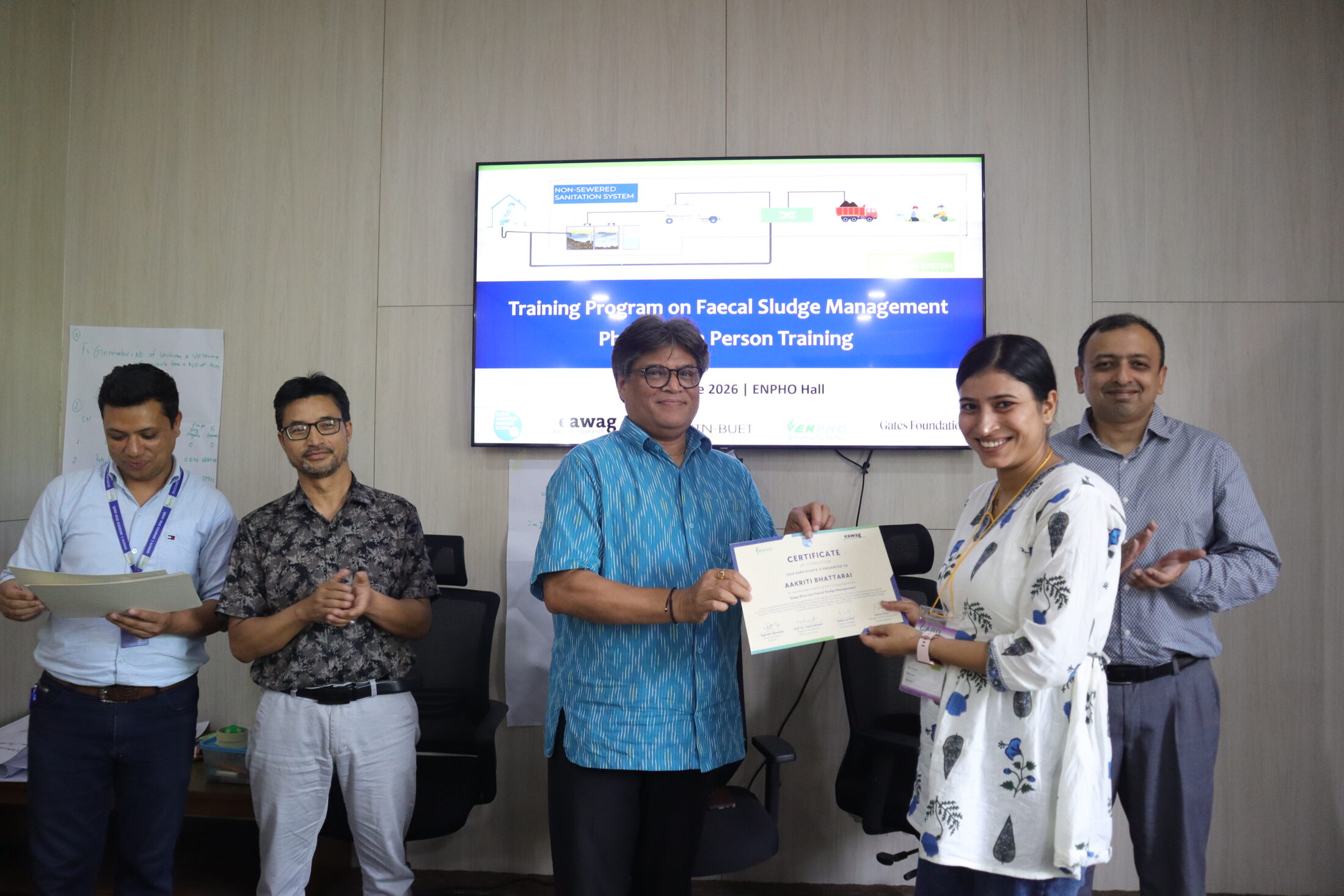
Upon successful completion of all three phases, participants received certificates recognizing their achievement. The programme concluded with reflections from participants and remarks from partner organizations emphasizing the continued importance of capacity building for Nepal’s sanitation sector.
During the closing session, Dr. Roshan Raj Shrestha highlighted the critical role of sanitation in protecting public health and the environment, encouraging young professionals to pursue careers in the sector and reaffirming his commitment to supporting their professional growth. Prof. Dr. Tanveer Ahmed, Regional Director of GSGS RH SSEA, emphasized the importance of integrating technical knowledge with practical field experience and encouraged participants to apply their newly acquired skills in advancing sustainable faecal sludge management.
“The online course was insightful, and the interactive quizzes helped keep the learning engaging and focused. The in-person training added great value by allowing us to explore the technical design components more deeply, build connections, and relate theory to practical applications. Overall, it was a meaningful experience that connected learning, practice, and professional exchange.”
— Asmita Upadhyay, GSGS Student, Kathmandu University
“This was my first experience with a blended training program that combined online learning, in-person sessions, and field observation. The approach made the learning more practical and engaging. The training not only helped me strengthen my knowledge of faecal sludge management but also gave me the opportunity to connect with sanitation experts, professionals, and fellow participants. I believe this network and experience will be valuable for my future work in the sanitation sector.”
— Ramin Ghimire, GSGS Student, Pokhara University
“Before joining the training, I understood FSM mainly as sludge treatment. After completing the online course, technical sessions, and field visit, I now see FSM as a complete service chain requiring proper planning, design, operation, and informed decision-making. The programme has given me greater confidence to apply this knowledge in real projects.”
— Binod Shah, WASH Engineer, Clean Vision Nepal
Overall, the three-phase blended training demonstrated the value of integrating online learning, technical instruction, and field-based experience to build practical competencies in faecal sludge management. By strengthening both technical knowledge and professional networks, the programme equipped participants to contribute more effectively to sanitation planning, design, and implementation. Building on the success of this initiative, ENPHO and its partners will continue promoting similar capacity-building programmes to support the next generation of sanitation professionals and advance safely managed sanitation in Nepal.
Read the full news release on the ENPHO website:
From Learning to Practice: A Three-Phase Learning Journey in Faecal Sludge Management (FSM)